

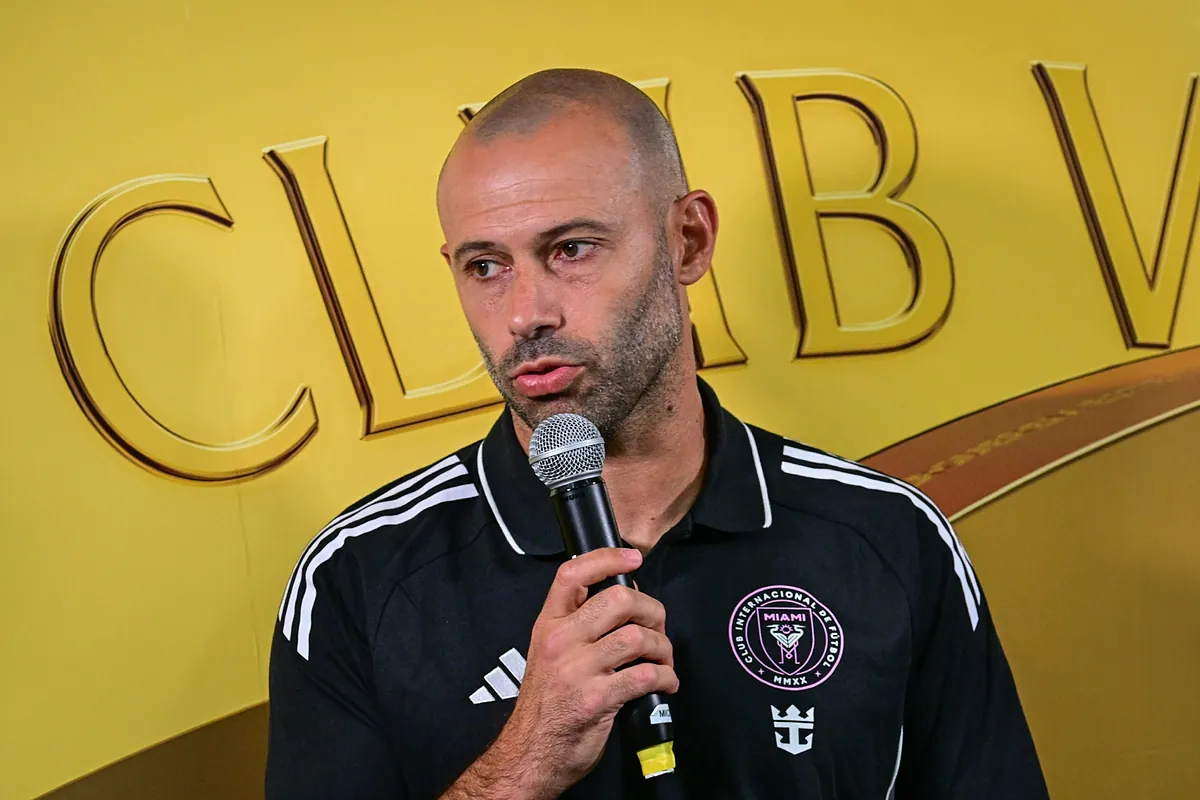
JA few months after achieving the most successful campaign in Inter Miami history, Javier Mascherano has resigned from his position.
On paper, the explanation is simple. The Argentine cited “personal reasons” for his departure and thanked the club, players and fans for an “unforgettable moment”.
But in a sport where timing often reveals more than words, the circumstances surrounding his exit tell a more layered story.
Mascherano has achieved an accomplishment that few managers in MLS history can match in such a short period of time.
In his first full season, he led Inter Miami to their first MLS Cup title, Eastern Conference crown, and an all-conference record-breaking 101 goals.
The club also made history internationally, reaching the knockout stages of the FIFA Club World Cup, becoming the first MLS team to defeat a European opponent in a competitive match.
These achievements should solidify stability. Rather, they stand in stark contrast to subsequent events.
The 2026 season does not reflect the heights of the previous year. Inter Miami struggled to find their rhythm early in the season, losing their opening game to LAFC and failing to win either of their first two games at the New Stadium.
More importantly, the team prematurely withdrew from the Concacaf Champions Cup, which had been the club’s central goal.
The performance itself caused more concern than the results. The team seemed less cohesive and fluid, and more dependent on Lionel Messi to carry the attacking burden. Messi continued to lead with quality and ambition, but the support system that was driving him to win the 2025 title appeared to be waning.
The change created pressure. Not just from the results, but also from the expectations that were dramatically raised by success.
Tata Martino Echo
Mascherano’s departure follows a strikingly similar pattern to that of his predecessor Gerardo “Tata” Martino, who also left Inter Miami in 2024 citing “personal reasons”.
Martino oversaw a period of change for the club, winning their first trophy and laying the foundations for the Messi era. Like Mascherano, he resigned shortly after a period of success, and the official explanation focuses on personal factors.
It’s hard to ignore this similarity. In both cases, Inter Miami left successful managers at a time when expectations were rising and internal demands were changing. While neither departure has been officially linked to sporting or structural tensions, the repeated use of the same explanation invites scrutiny.
This suggests that at Inter Miami, success does not necessarily guarantee continuity. The environment is rapidly evolving, and so are the expectations placed on those who lead it.
More than a personal decision
Mascherano’s words reflect gratitude and closure. “I will always carry the memories of our first star with me,” he said, emphasizing his gratitude to the club and its supporters. The club responded with similar respect through managing owner Jorge Mas, highlighting his role in the historic feat.
But the bigger picture shows a convergence of factors. Declining performances, early exits from major competitions, tactical doubts and the natural fatigue of managing a high-profile team appear to have played a role in bringing this cycle to an end.
Inter Miami are already making progress with Guillermo Hoyos appointed as interim head coach. The decision signals a move to the next phase of the project, even as the club remains competitive in the Eastern Conference.
Mascherano left the silverware and records and left. But his departure, like Martino’s before him, highlights a growing reality at Inter Miami. At a club driven by ambition and global attention, even success is short-lived.
