

a All eyes are now on whether Guadalajara will be ready to host matches at the 2026 FIFA World Cup as violence spikes this weekend in Mexico’s Jalisco state and authorities grapple with security concerns related to organized crime unrest.
The killing of Nemesio Oseguera Cervantes, leader of the powerful Jalisco New Generation Cartel (CJNG), widely known as “El Mencho”, by Mexican security forces in an attack on Sunday sparked a deadly backlash and widespread retaliation across the region.
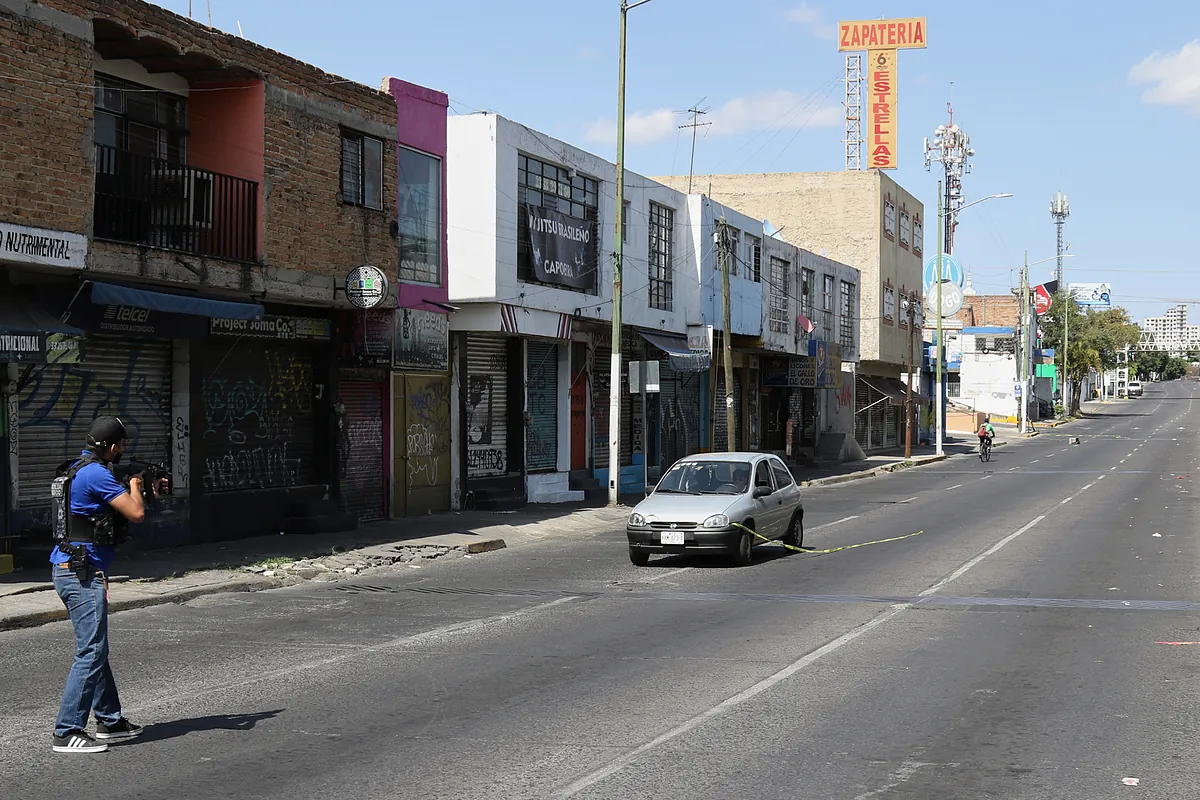
Reports said cartel members reacted to El Mencho’s death by torching vehicles, setting up flaming barricades on major highways and enforcing chaos in major cities, including Guadalajara and nearby Puerto Vallarta.
These actions have complicated travel, led to flight cancellations, and prompted advisories from foreign governments urging caution to travelers.
The violence, which included arson and a blockade with “burned vehicles lining the highway” near Akron Stadium, has reverberated through one of Mexico’s most important sports hubs and highlighted the security challenges the country faces as it prepares to co-host the world championships.
FIFA has not publicly stated that Guadalajara will lose its role as host city, but people familiar with the plans admit there are high concerns about whether the expected local conditions will ensure safety for a global sporting event of this scale.
Local organizers are being asked to prove they can secure both World Cup matches and a key qualifying play-off, scheduled for late March.
Security pressure increases as World Cup approaches
This weekend’s violence is one of the most visible security challenges for Guadalajara, with just over three months until the start of the World Cup.
Amid the chaos, several Liga MX matches in the city have been postponed or rescheduled. That includes the women’s Clixico Nacional match between Chivas Fémenil and Amrica Fémenil, which organizers postponed due to concerns about road closures near the stadium.
Local and federal authorities declared what authorities called a “red alert” in parts of the metropolitan area, tightening security and asking residents to stay off the streets until law enforcement regains control.
Although these measures helped stabilize the situation, the impact of violent retaliation raised questions about broader preparedness.
Guadalajara is scheduled to host four World Cup group stage matches, featuring teams such as Mexico, Spain and Uruguay. Two playoff games, the final qualifying rounds for other national teams, are also scheduled to be held in March.
The Korean and Colombian national teams will also choose Guadalajara as their base camp, with the Korean national team at Chivas Verde Valle camp and the Colombian national team at Atlas FC Academia AGA.
Organizers stress that safety is their top priority. Local security force officials have pledged to deploy heavily in the coming months to protect venues such as Akron Stadium and surrounding infrastructure.
The measures are expected to include coordinated patrols by state and federal authorities, advanced surveillance and contingency plans for large gatherings.
For fans and residents alike, last weekend’s events were a stark reminder that security challenges remain in a city known for its culture and passion for football.
