

WWith just over two months until the opening whistle, the world is gearing up for the biggest FIFA World Cup in history. The 2026 edition will be a large-scale project with 48 teams and 104 games played in three countries: the United States, Mexico, and Canada. This is the first time that the World Cup will be held in three countries, and 16 venues will be used, the most since the 2002 World Cup in South Korea and Japan.
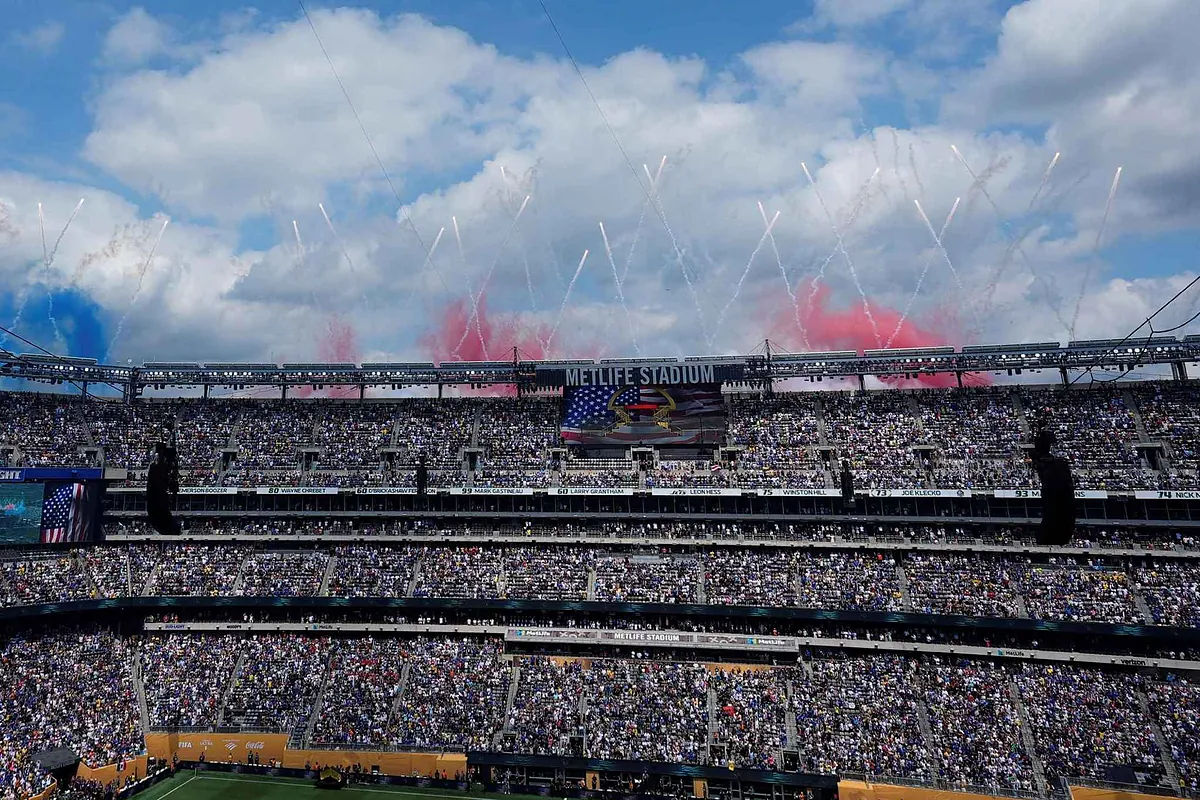
The journey begins on June 11th at the legendary Mexico City Stadium (Estadio Azteca), which has been extensively renovated for a record third World Cup appearance. The tournament concludes on July 19th at New Jersey Stadium (MetLife Stadium) in New York, capping off a month of high-stakes soccer. From state-of-the-art retractable roofs to the sport’s historic ‘temples’, the tournament’s infrastructure is set to provide an unparalleled experience for fans and players alike.
2026 Giants: Top 5 World Cup Stadiums by Capacity
While all of the venues on our list offer a world-class environment, the top five stadiums stand out for their sheer size. It is important to note that FIFA stadium capacity is often different from the “official” capacity used by the NFL and for concerts. This is because FIFA requires specific field dimensions, often requiring the removal of several rows of seats or larger media zones that “eat up” the standard ticket inventory.
Dallas Stadium (AT&T Stadium) – FIFA Capacity: 94,000 Arlington’s masterpiece retains top spot. Official events can have a capacity of more than 100,000 people, including standing room, but the 2026 World Cup configuration will cap it at around 94,000 people. The stadium’s retractable roof and climate-controlled environment make it a key hub for the finals tournament, which draws large crowds. Mexico City Stadium (Estadio Azteca) – FIFA Capacity: 83,000 The only stadium to host the opening three World Cup games, Azteca is steeped in history. Following the latest renovations, capacity has been reduced slightly from a peak of 87,000 to approximately 83,000 to ensure visibility and comfort for fans. It remains the spiritual center of Mexican soccer. New York New Jersey Stadium (MetLife Stadium) – FIFA Capacity: 82,500 Designated as home for the 2026 World Cup Finals, this stadium is located just a few miles from Manhattan. For this tournament, a natural grass pitch will be set up exclusively for the tournament. Capacity remains steady at 82,500, making it one of the largest and most accessible venues on the Atlantic Coast. Atlanta Stadium (Mercedes-Benz Stadium) – FIFA Capacity: 75,000 This architectural marvel is famous for its “windmill” retractable roof and circular video board. Although it could be expanded for college football, FIFA’s special layout for international soccer keeps capacity to 75,000 and ensures a clear view of the game from every seat. Kansas City Stadium (Arrowhead Stadium) – FIFA Capacity: 73,000 Known for having the loudest crowds in professional sports, Arrowhead offers a unique bowl-style seating arrangement. FIFA’s capacity of 73,000 is about the same as standard seating, as the stadium was originally built with more field clearance than other modern stadiums.
Overall Venue Overview: From Houston to Vancouver
Beyond the top five ‘giants’, the remaining 11 venues are equally impressive, strategically distributed to maximize access for international fans while minimizing travel fatigue for teams. From the Pacific Northwest to the Atlantic Coast, each city brings a unique flavor to the tournament.
The list below outlines the expected capacity for the remaining World Cup venues, taking into account FIFA-mandated field extensions and media requirements.
Houston Stadium (NRG Stadium): 72,000San Francisco Bay Area Stadium (Levi’s Stadium): 71,000Los Angeles Stadium (SoFi Stadium): 70,000 (this venue would require significant corner seating to be removed to accommodate the FIFA pitch). Philadelphia Stadium (Lincoln Financial Field): 69,000 Seattle Stadium (Lumen Field): 69,000 Miami Stadium (Hard Rock Stadium): 65,000 Boston Stadium (Gillette Stadium): 65,000 BC Place Vancouver: 54,000 Estadio Monterrey (Estadio BBVA): 53,500 Estadio Guadalajara (Estadio Akron): 48,000 Toronto Stadium (BMO Field): 45,000 (currently expanding to reach this FIFA minimum capacity)
This diversity of venues ensures that the 2026 World Cup will not only be the largest in terms of teams, but also the most geographically and culturally expansive sporting event ever held. Whether you’re watching a game in the highlands of Mexico or in Canada’s warm summers, the stage is set for a historic summer in soccer.
