

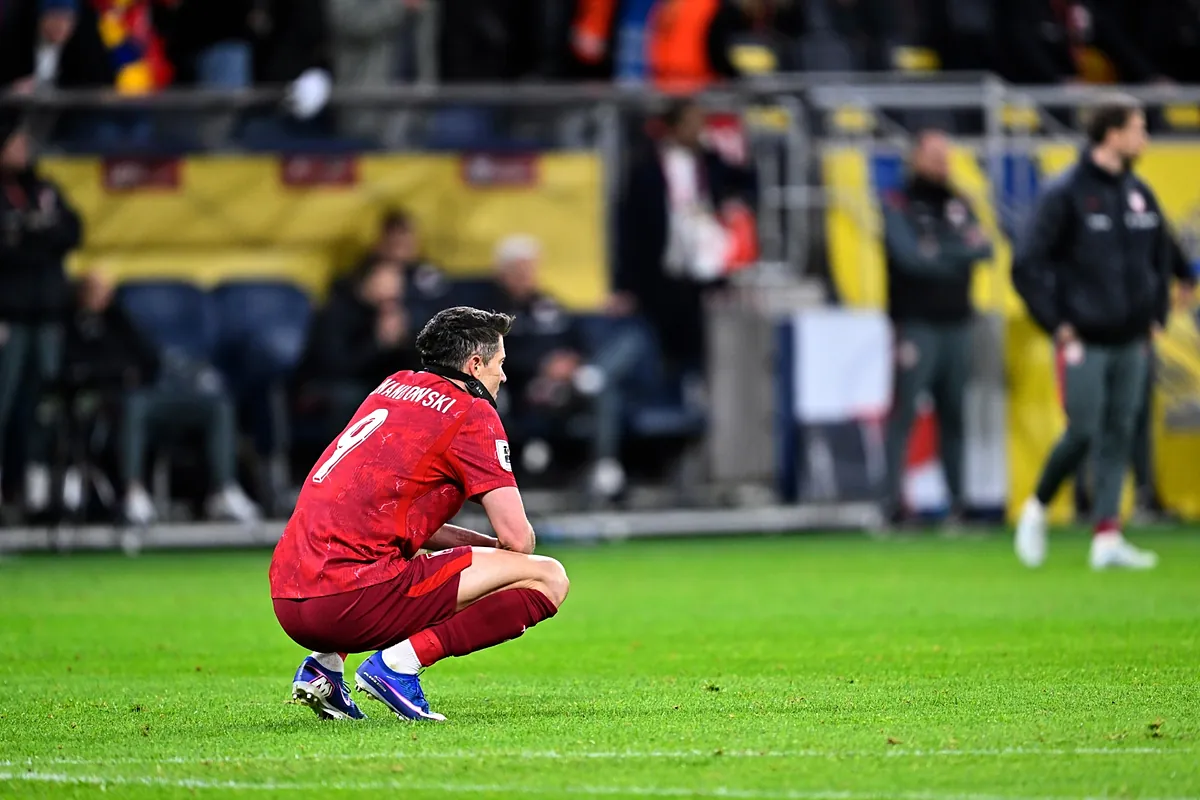
FOr for several seconds, no one moved. Then reality hit. Poland lost to Sweden in the playoffs in Stockholm, missing out on the 2026 World Cup.
It all happened in one late moment. The game felt like a stalemate for a long time, but Viktor Gökeres broke through in the final minute to give Sweden the edge they needed.
This single goal was enough to decide the UEFA Pass B play-off final, with Sweden advancing and Poland unable to turn back.
Mexican phenom Gilberto Mora returns to the field, thrilling fans
There was no lack of effort on the part of Poland. They have fought through a rigorous qualification process to reach this stage.
But in a format where everything depends on one game, even small mistakes can have big consequences.
The winning streak ends
The consequences of this are even more severe when you look at the bigger picture. Poland will miss out on the World Cup for the first time since 2014, ending a record that includes participation in Russia 2018 and Qatar 2022.
There are also historical patterns that continue. According to FIFA records, Poland has rarely succeeded in qualifying for tournaments held in the Americas. Out of multiple editions played in that region, they only appeared twice. The 2026 World Cup, to be held in Mexico, the United States and Canada, will also be a missed chapter.
The atmosphere couldn’t be more different for Sweden. After missing out on qualifying for the 2022 Qatar Games, they returned with renewed energy and a team that showed poise when it mattered most.
What this means for Lewandowski and Poland’s future
All eyes were immediately on Robert Lewandowski. By the time the next World Cup begins, he will be nearing 37 years old. That doesn’t rule out the possibility, but it makes this moment feel heavier. Even for players of his level, opportunities at that level don’t come along often.
Inside the Polish camp, that form is being measured. Staff and analysts say missed chances and a brief slip-up late in the game were the turning points. One European analyst described the match as “a game decided by a single blunder rather than a lack of quality”, which reflects how close the match actually was.
A broader conversation is also beginning to take shape. This result may signal the beginning of a transition period for Poland. Several key players have moved into the later stages of their international careers and decisions need to be made on how to evolve the team.
Sweden, on the other hand, is clearly making progress. Qualification for the tournament is secured and planning for the group stage can begin immediately.
In Poland, the sentiment is more mixed. It’s not just about missing out on tournaments. It’s about finding out how close they were and how quickly it grew apart.
Source: This article is based on official UEFA playoff results, FIFA historical participation data, and verified European soccer reports. The context and analysis reflect widely documented trends in qualifying formats and national team performance.
