

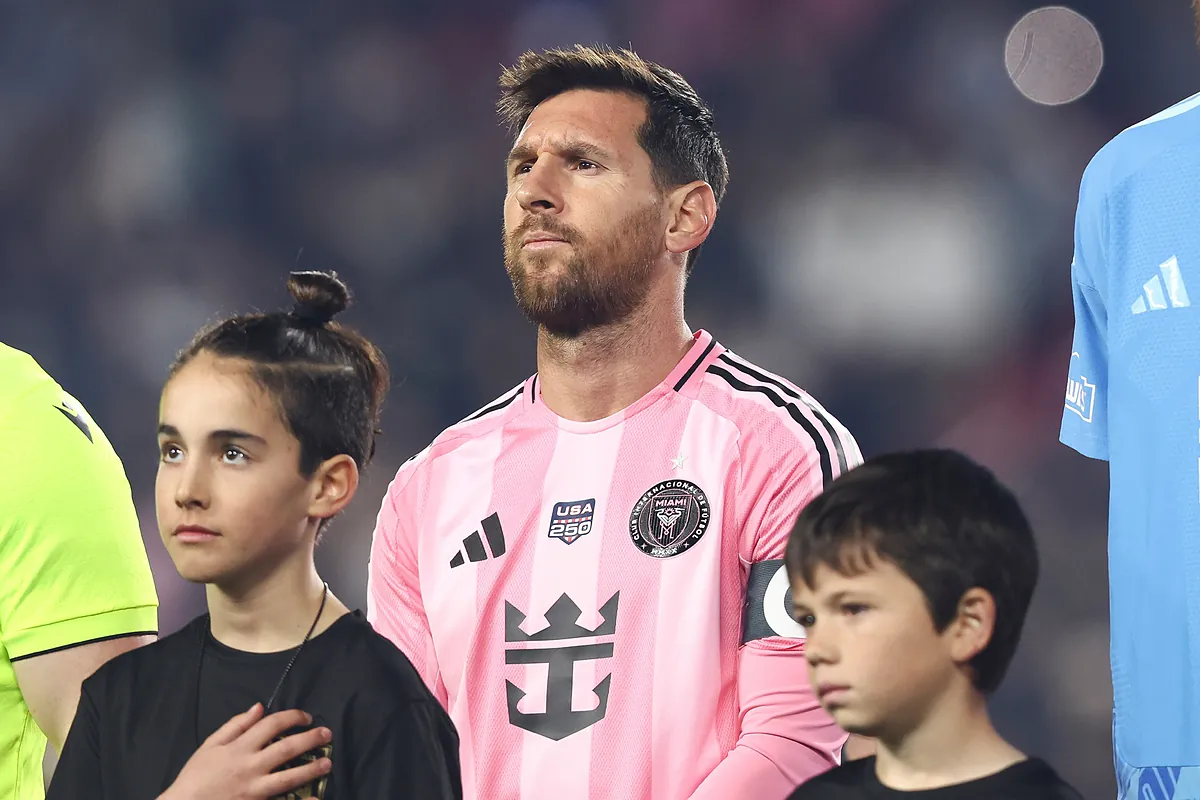
MMajor League Soccer is officially back, and if the opening weekend was any indication, the “Messi effect” has evolved into a full-blown continental obsession. This high-profile matchup pitted defending champion Inter Miami against LAFC in an atmosphere that felt more like a cup final than a season opener.
More than 75,000 fans filled the stands, setting a new record for attendance for Matchday 1. Although the atmosphere was exciting, it fell just short of the all-time MLS record, although that honor still goes to 2023’s ‘El Trifico’ at the Rose Bowl, where 82,110 supporters witnessed LA Galaxy take on LAFC on Independence Day. Still, the message was sent that North American soccer has reached the point of no return.
MLS opening weekend sees record attendance
This year’s “MLS is Back” slogan was more than just a marketing blurb. It was a statistical reality. The league had a record-breaking 387,271 fans attending games across Saturday and Sunday, marking the league’s best-attended weekend in the competition’s history.
The league averaged 25,818 fans per game, a 5% increase compared to the 2025 opening weekend and a significant 17% increase compared to last year’s overall regular season average.
The crowning jewel of the weekend was undoubtedly the 75,673 fans who packed into the Los Angeles Memorial Coliseum for the LAFC vs. Inter Miami CF showdown. Not only did this set the league’s opening weekend record, it also became the most-attended professional soccer game on the planet for a weekend.
As the global sports community shifts its focus to North America for the 2026 World Cup, these numbers prove that the domestic league is no longer just a “nursing home” but a premier destination capable of attracting world-class attention.
World Cup holidays and historical calendar changes
The 2026 season will look much different than what we’ve seen thus far. MLS has instituted a six-week major suspension period in preparation for the 2026 FIFA World Cup, which will be held in the United States, Canada, and Mexico. The league will be silent from late May to mid-July to allow fans and players to focus on the sport’s biggest tournament.
While this is a necessary break, it also serves as a final “curtain call” to the traditional spring-to-fall format that has defined the league since its inception in 1996.
From the 2027-28 season, MLS will finally be on par with Europe’s giants. The move from a summer to spring schedule is a big move for the league, aimed at bringing transfer windows and international breaks in line with the rest of soccer.
This year is essentially a bridge year to a new era. The league is using the World Cup fever to revamp its entire identity. By the time the final whistle blows in 2026, MLS will look, feel and have the schedule to be a true global powerhouse.
