

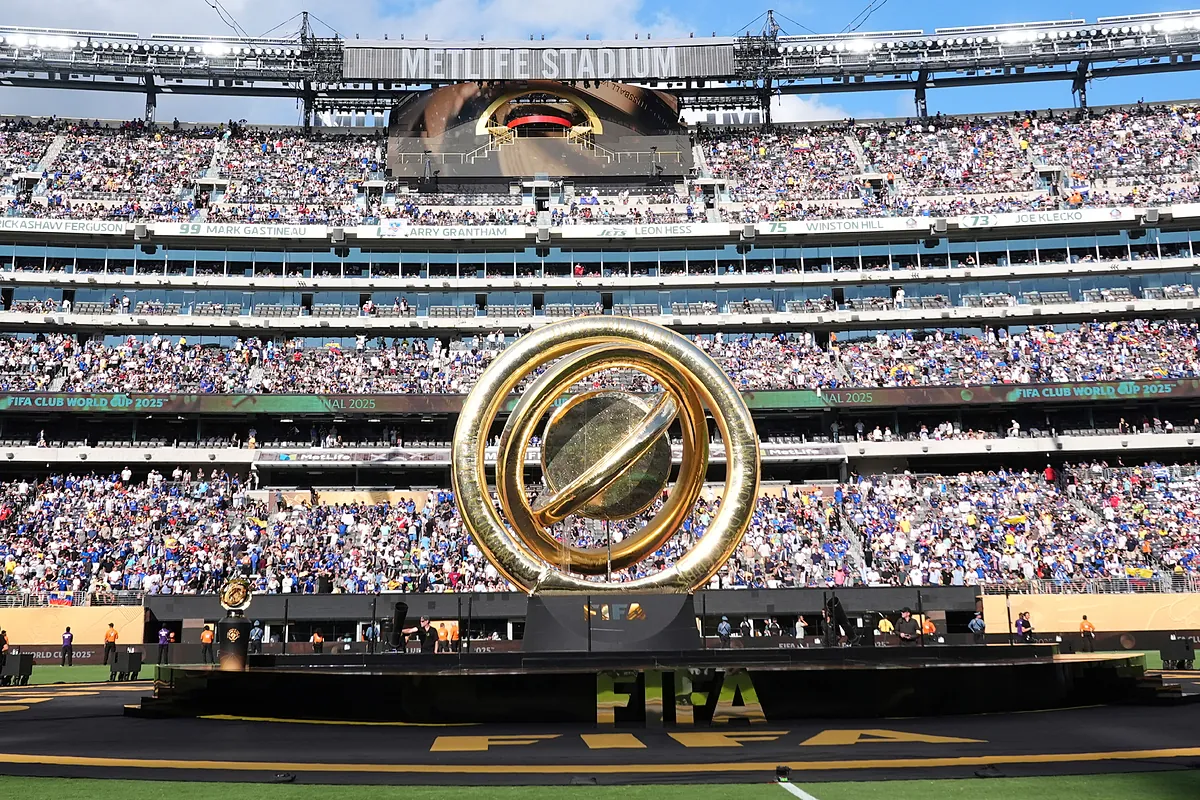
FIFA is considering a major overhaul of the Club World Cup’s structure following widespread dissatisfaction among Europe’s elite clubs who failed to qualify for the 2025 tournament, a move that puts the competition’s qualification rules and long-term vision in the spotlight.
The 2025 edition was the first to expand to 32 teams, and the current qualification criteria, including limits on the number of participants per country and a complex four-year ranking system, have sidelined some of the historic powerhouses.
Last summer, players such as Chelsea won titles in the United States, but major clubs such as Barcelona, Manchester United and Liverpool were conspicuously absent, highlighting widespread concerns about fairness and representation.
Now, both FIFA and UEFA have signaled an appetite for further changes, with governing bodies preparing to expand the tournament again, potentially from 32 to 48 teams, with the aim of avoiding similar omissions in future competitions.
European clubs had lobbied for guaranteed participation against previous proposals to hold the competition every two years, which risked restricting major clubs’ participation through national quotas and the existing quadrennial ranking system.
The decision coincided with a reconciliation between UEFA president Aleksander Ceferin and FIFA president Gianni Infantino after tensions peaked during the FIFA conference in Paraguay in May 2025 when European delegates walked out in protest.
The expansion will increase the number of European teams from 12 to 16 clubs, giving opportunities to historically important teams that were previously excluded, such as Barcelona, Manchester United and Liverpool.
UEFA’s support in cooperation with the European Club Associations played a decisive role in shaping the new allocation model.
Other federations are expected to receive a slight increase in spots, with South America expected to secure six spots under the proposed format.
Tournament structure and logistics
The 2029 tournament is expected to follow a similar structure to the 2026 FIFA World Cup for national teams. Each club will play in the group stage with three to four teams in each group, and then advance to the final tournament.
FIFA is still finalizing the exact distribution of spots between confederations, but projections point to strong European representation, along with gradual growth in Asia, Africa and North and Central America.
The extended tournament will test the ability of clubs and organizers to manage travel, player workloads and global broadcast requirements across an extended schedule.
With this expansion, FIFA demonstrates its commitment to both the inclusivity and commercial growth of the sport, with the aim of securing the Club World Cup as a flagship event for the world’s biggest clubs and stars for decades to come.
