

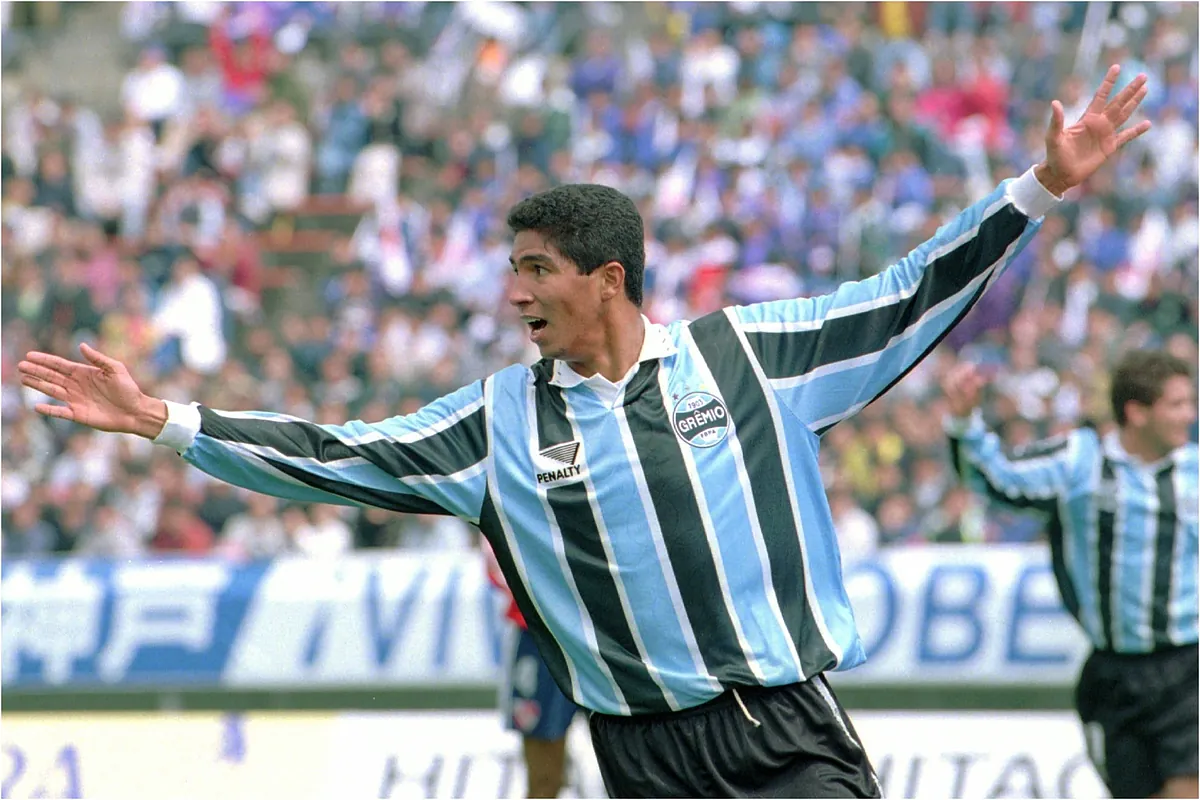
IIn 2008, Mario Jardel, one of the most important goalscorers in world football for a decade (two-time Golden Boot winner), admitted to being addicted to cocaine.
“In 2002, I overdosed on cocaine and stayed up for seven days. For those of you watching me, that’s not an example. I hired a woman and I stayed in that life thinking that nothing would happen to me and that everything would be fine,” he admitted while appearing on the reality show Big Brother in 2022.
Lionel Messi reminds us who is king with outrageous golasso during Argentina training

In 2019, he told Youtube Pilhado: “When I was playing for a club in Europe, I entered the world of drugs out of curiosity. I met some people and they encouraged me. There were doping regulations during matches, so I started using regularly during holidays. That’s one of the problems in football: there’s a lot of money, there’s a lot of traps, friendships, temptations and curiosity.”
Laszlo Bologni admits Jardel was his most problematic player, recalls cocaine problem
Laszlo Boloni, coach of the Sporting CP team that won the Primeira Liga in 2002, has admitted that Mario Jardel (Fortaleza 1973) took drugs, especially cocaine, during his time at the Lisbon club.
Losing Mario Jardel in his second season at Sporting was a big loss for me.
The Romanian coach said on the Volbitrinsi podcast that Yarder was the most problematic footballer he had coached during his career.
I used to write the lineup on the board and put Jardel in the starting eleven, but the doctor told me that it was impossible because Jardel turned out like this… (he traces his nose with his finger)
“Losing Mario Jardel in his second season at Sporting was a big blow for me. He had scored more than 40 goals in his first season (55 in total), but in his second season he only scored six (he ended up with 12),” he lamented.
Doctors ran a test to see if he could be cleared to play, and it came back positive.
Bologni revealed that Mario Jardel, who won the European Golden Boot award with Porto in 1999 and with Sporting Portugal in 2002, missed 15 of 34 league games in the 2002-2003 season after testing positive for cocaine.
“His parents were alcoholics, that was the problem.”
“The most difficult player to coach and the one I had the most problems with was Jardel. His parents were alcoholics and that was a problem. I wrote the line-up on the board in front of the players and put him in the starting eleven, but the doctor said it was not possible because Jardel… (sticks finger in his nose). The doctor tested him to see if he could be cleared to play and it came back positive,” Boroni explained.
He was a young coach, so I worked hard. I’m calm, I did what I thought was right
Luis Horta, former head of the National Anti-Doping Council Analytical Institute, has clarified that Mario Jardel never had a positive anti-doping test while he played for Porto (1996-2000) and Sporting (2001-2003).
Coach Laszlo Bologni also explained his attempts to help Jardel’s recovery: “I was a young coach, so I worked hard. I stayed calm and did what I thought was right.”
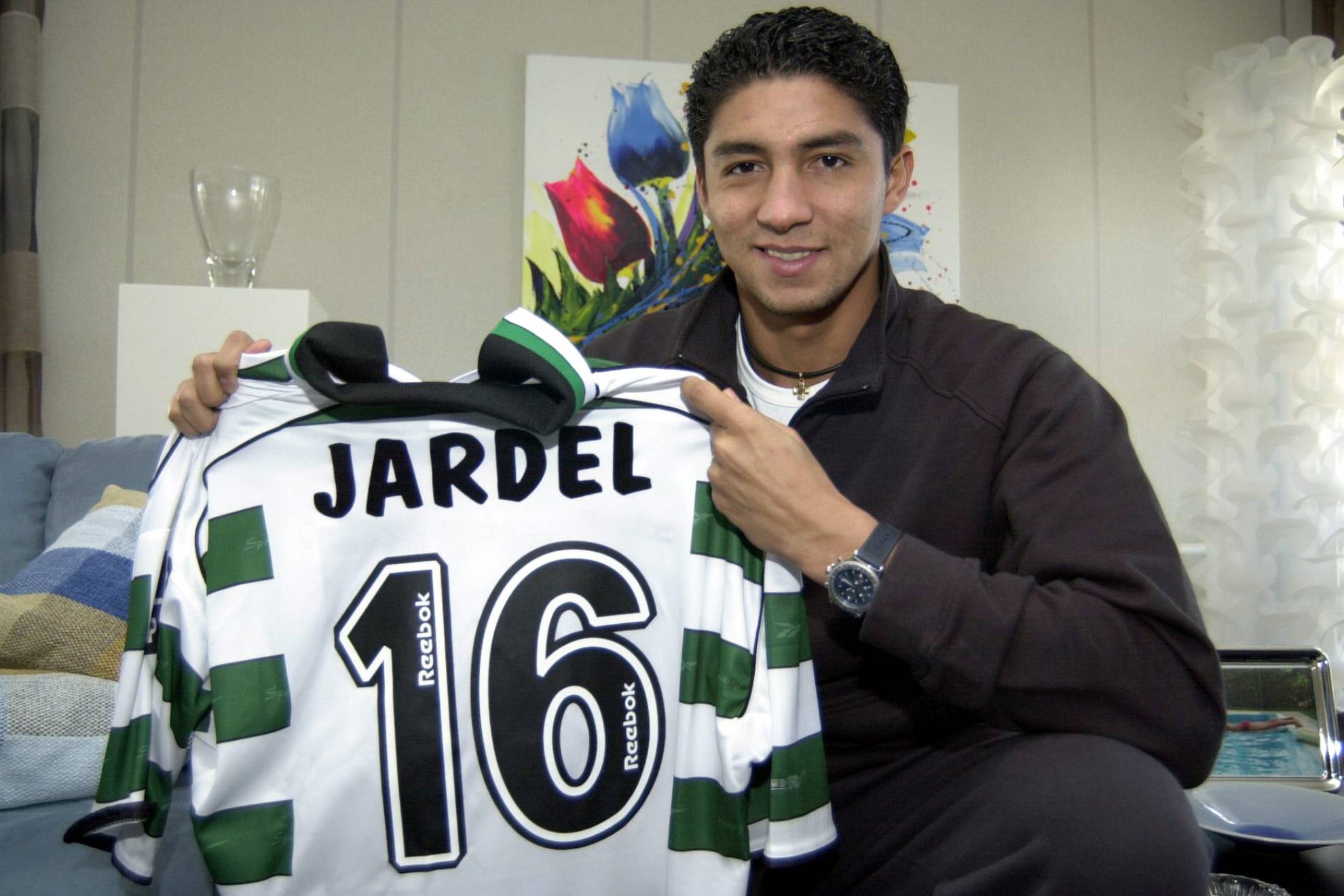
The 72-year-old Romanian coach recalled a conversation he had with Jardel to escape the clutches of cocaine: “Look, I’m going to take you to a training camp. We’re going to be locked there, me in my room and you in yours. Talk, eat.” , train, run. I kept the car keys and we slept together at the training center. I also called Brazil and talked to his wife, and then everything went well.”
“Six days later, he said to me, ‘I’m not feeling well and I have to go for a while, but I’ll be back.’ I said to him, ‘Mario, I know you. I’m not going anywhere. Let’s go outside and run and exercise.’ And he said, ‘Yes, yes, but I’ll be back.’ I knew he wasn’t coming back. He called, a taxi came, and then he disappeared…Sure, he showed up the next day, but the doctor started saying hi to me.
