

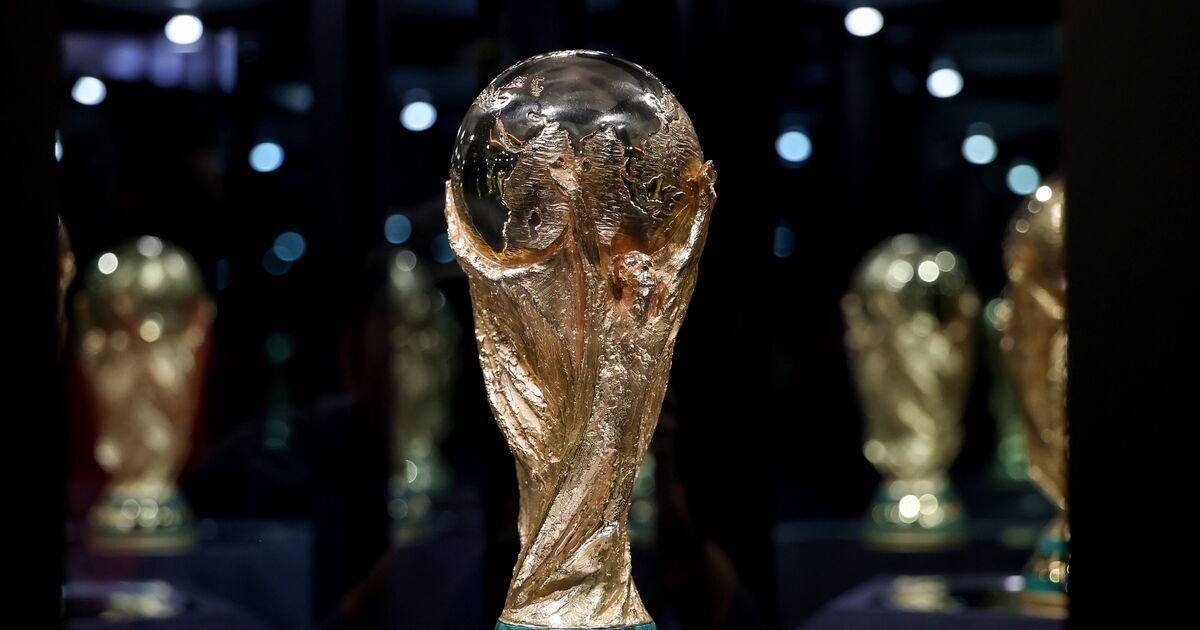
The World Cup final is scheduled to be held on July 19th at MetLife Stadium in New Jersey. The World Cup halftime show performers were hand-picked by Coldplay frontman Chris Martin, who revealed the line-up via a social media video featuring characters from Sesame Street and The Muppets. He told Elmo, “It’s a chance to show you how wonderful all kinds of humans are.”
Madonna is a seven-time Grammy winner whose music career spans decades, while Colombian sensation Shakira has won four Grammy Awards. BTS made history as the first K-pop artist to be nominated for a Grammy Award. Madonna headlined the Super Bowl halftime show in 2012, and Shakira shared the Super Bowl stage with Jennifer Lopez in 2020.
The format, which is well established in the NFL, will be introduced to football as North America looks to blend sports and high-profile entertainment. Last summer, FIFA and Global Citizen piloted a halftime show at MetLife Stadium during the FIFA Club World Cup final, where Chelsea defeated PSG.
Entertainment for the occasion included American rapper Doja Cat, Nigerian singer Tems, and Colombian artist J Balvin. Performers took to a stage set up in the stands, but there was speculation that the pitch itself might be used this summer, necessitating a change from soccer’s traditional schedule.
Therefore, the half-time interval for the final could be significantly longer than the usual 15 minutes. This marks the first time a tournament has ignored the sport’s standard 40-minute break in favor of entertainment production.
At last year’s Club World Cup final, the half-time break was extended to just over 24 minutes instead of the 15 minutes stipulated by competition rules, as a direct result of the half-time entertainment. Now that plans have been confirmed, some involved in the final will have to adjust their usual approach.
Managers will need to reconsider how they conduct team discussions in light of the long vacation. Those involved in sports science also need to assess how extended periods of rest may affect athlete performance.
Meanwhile, broadcast stations will also have longer halftime slots, which will inevitably lead to changes in programming and schedule arrangements.
