

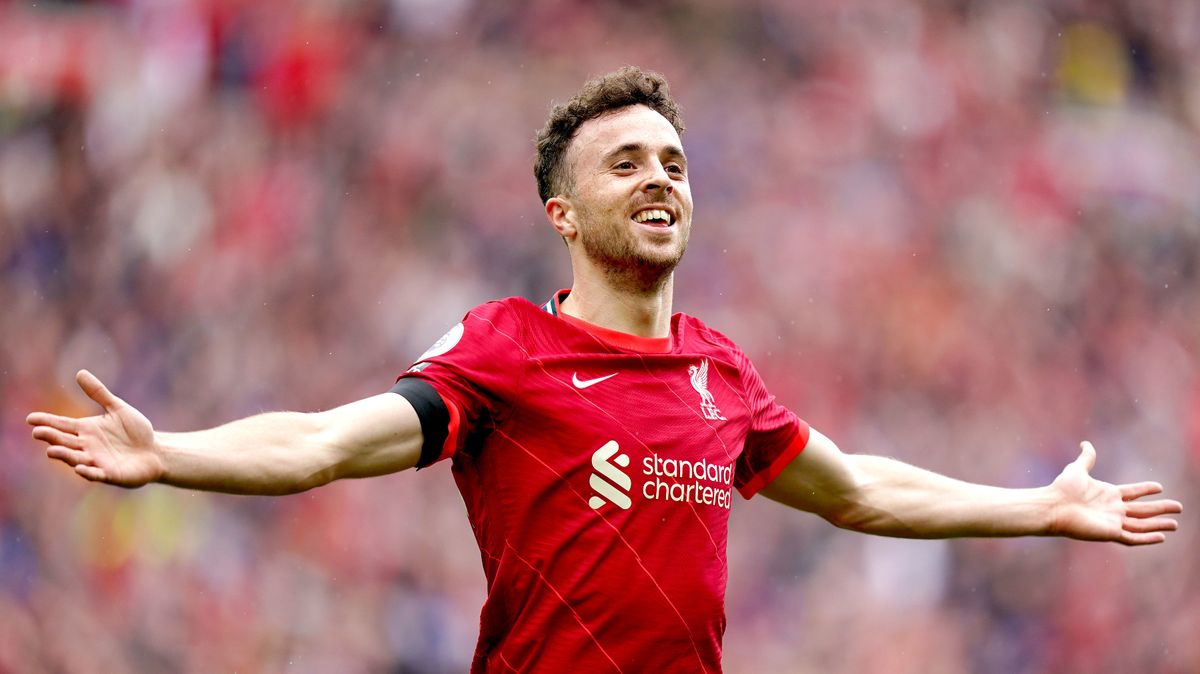
This comes after Liverpool’s year-end accounts for the 2024-25 season, in which they won the title, showed a record income of £700m. This figure also includes the costs incurred by the club as a result of Jota’s tragic death.

Diogo Jota tragically passed away last year (Image: PA)
Liverpool said Diogo Jota’s tragic death was an “incalculable” loss in a new emotional tribute published in the club’s financial statements.
This comes after the year-end accounts for the title-winning 2024-25 season showed a record income of £700 million. This figure also includes costs incurred by the club following Jota’s death. The Portugal international tragically lost his life along with his brother in a car accident in northern Spain in July last year.
The football world was shaken by Jota’s sudden loss, which came just 11 days after he married his childhood sweetheart Lute Cardoso.

Forever 20 Diogo Jota mural at Anfield (Image: Colin Lane/Liverpool Echo)
The Lamborghini Huracan carrying Jota and his brother ran off the road and burst into flames. Following lung surgery, Jota was advised not to fly and was driving to Santander.
In a section detailing ‘player trades’, the report states: “The club is deeply saddened by the tragic deaths of first-team player Diogo Jota and his brother Andre Silva. Their deaths have had a significant impact on the club, the world of football and its supporters around the world.”
Make us your preferred source to ensure the latest headlines always appear at the top of Google searches. Click here to enable it or add us as a preferred source in your Google search settings.

Fans pay tribute to Diogo Jota (Image: PA)
It continued: “In accordance with financial reporting standards, the club expects to recognize a financial impact in the reporting period to 31 May 2026, including a £14.4m impairment of Diogo’s remaining registration costs and other related costs.”
“While this financial assessment is necessary for financial reporting purposes, it does not reflect the immense personal and professional loss the club has experienced.”
The financial statement said: “Diogo was an exceptional professional, a valued teammate and a valued member of the club’s family. His contribution to the club on and off the pitch will be remembered with great respect and affection and his achievements will continue to be celebrated by the club for many years to come.”
A police investigation following the accident concluded that Jota had suffered a flat tire while attempting to overtake another vehicle on the A-52, causing their car to run off the road at around 12:40 a.m. and quickly become engulfed in flames.

Jota’s wife Lute Cardoso at the Liverpool vs. Wolves match (Image: Getty Images)
Liverpool have already confirmed that they will pay the remaining amount of Jota’s contract – around £14.5m – to his wife Ruthe and their three children.
Jota was paid around £140,000 a week and had two years left on his contract, which expires in 2027.
Manager Arne Slott said last summer that the deal would be honored by the club’s owners, Fenway Sports Group, adding: “People may think that’s normal, but that’s not the case in football.
“The owner, as well as the manager, has been largely criticized, but he deserves praise for the way he handled the situation by paying all of his contract money to his wife and children.”
Liverpool chairman Tom Werner said the club had taken steps to support Jota’s family. “He was an extraordinary person. He was loved not because he was a top scorer, but because he was really kind,” he said of the Portuguese, whose number 20 was retired.
After announcing the results last week, LFC Chief Financial Officer Jenny Beecham said: “We have made no secret of our desire to run a financially sustainable club, grow our revenue streams and do everything we can to deliver further success off the pitch.
“The 2024-25 season is a great example of how this works, with our men’s team achieving their 20th league championship and delivering record revenues. The challenge for us is to continue to grow through our partnership portfolio and great initiatives in areas such as retail services, and to continue to diversify our focus to best serve our fan base around the world.”
“In addition to the need to compete at the highest level across men’s and women’s teams, clubs face significant cost challenges, including increased administrative, staff and operational costs.”
