

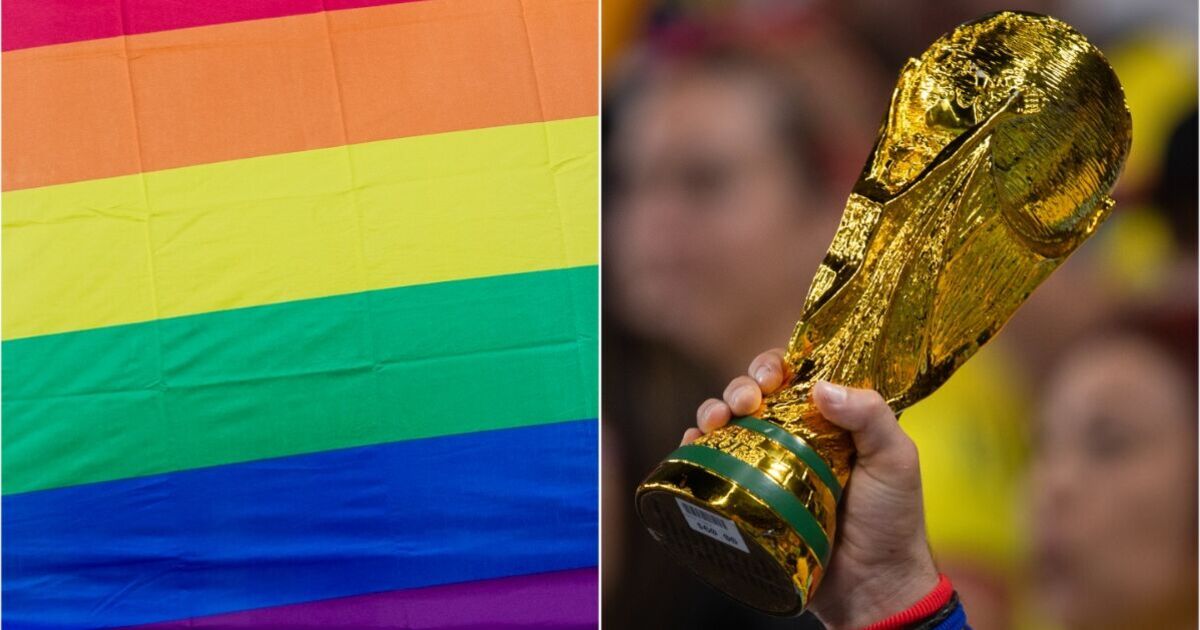
The Egyptian and Iranian football associations have filed a complaint with FIFA after a World Cup match was designated as the tournament’s “pride match.” The match, which will be played between the two countries where homosexuality is illegal, is meant to celebrate the LGBTQ+ community and was decided before it was known which teams would take part. Held in Seattle, it coincides with the city’s Pride Weekend.
This sparked a growing controversy involving the two Muslim countries, with Egypt sending a harshly worded letter to FIFA. The country’s football association said it “totally rejects” any initiatives “related to supporting homosexuality” that are “directly contrary to the cultural, religious and social values of the region, especially Arab and Islamic societies.”
“The Egyptian Federation categorically rejects these invitations and requests FIFA not to hold any events or offers related to gay support events inside the stadiums on match days,” the letter added.
In a separate statement, they said, “It is necessary to avoid including activities that may arouse cultural and religious sensitivities among fans in both Egypt and Iran, especially since such activities are culturally and religiously incompatible with both countries.”
“The Federation also relied on FIFA’s established principles of encouraging all parties to organize events in a way that respects cultures and respects the beliefs and identities of participating communities.
“Therefore, in order to ensure that the match is held in an atmosphere of respect and focuses solely on the sporting aspects, the Egyptian federation categorically rejects these requests and requests FIFA not to hold any events or performances related to supporting homosexuality inside the stadium on the day of the match.”
Iran has taken a similar position, saying the move violates FIFA rules banning political, religious or ideological messages inside stadiums.
In an interview on state television, Mehdi Taj, president of the country’s football association, called the “Pride Match” initiative an “unjust act of supporting a specific group.”
However, organizers confirmed they intend to go ahead with the plan despite opposition from Egypt and Iran.
Hana Tedesse, vice president of communications for the Seattle organizing committee, told BBC Sport that such plans focus on events around the city, rather than the stadium or the match itself.
“Our role as the local organizing committee is to prepare the city to host the games and manage the city experience outside of Seattle Stadium,” Tedes said.
“Football has the unique power to unite people across borders, cultures and beliefs. The Pacific Northwest is home to one of the largest Iranian American communities in the country, a thriving Egyptian diaspora, and a rich community representing all the countries we host in Seattle.”
