

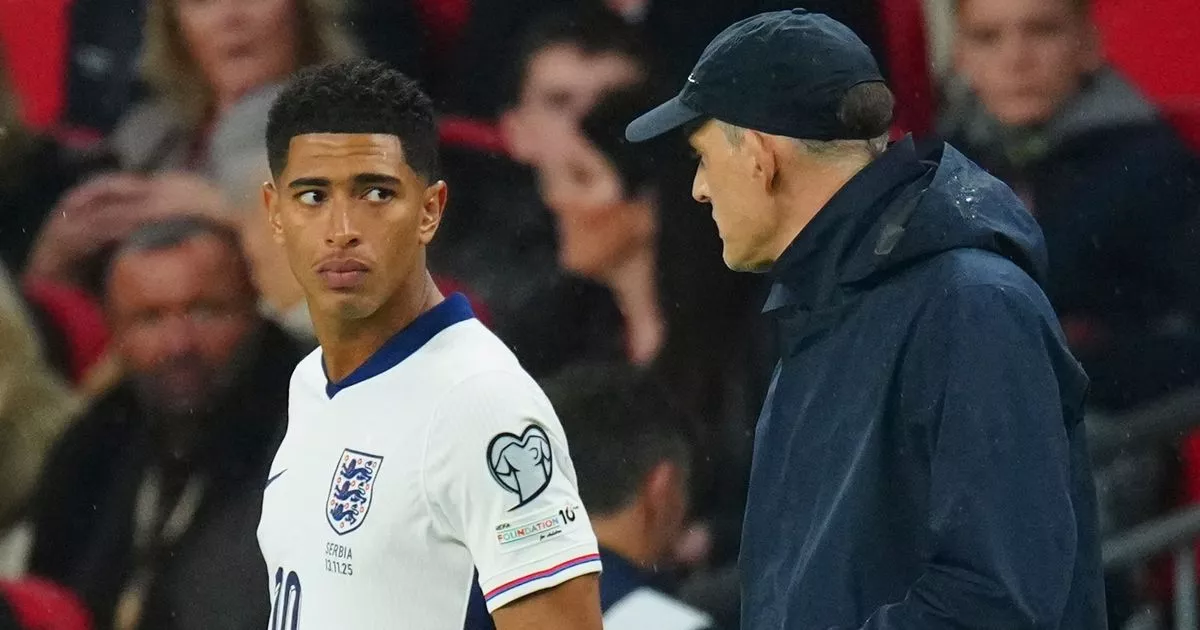
The media has come under fire recently over the situation with England manager Thomas Tuchel and Jude Bellingham, as well as reports from certain areas, but it would be a mistake to lump everyone together.

Another week, another former player weighed in over his treatment by the media. This time it’s Ashley Cole. A great former England international, he was world class for most of his playing career and, in my opinion, the best in the world at parts of it.
Cole always stayed away from controversy. The tap-up scandal saw her married to a pop superstar and branded a ‘cashley’ when she moved from Arsenal to Chelsea.
He also wrote an autobiography, “Germany’s Wins, Losses, Scandals and Drama in 2006”. That book probably marked the end of the era of football autobiographies. It wasn’t well received on any level.
But he was a great guest on Gary Neville’s overlap show. Cole met really well. He was honest enough to admit he was wrong, but was adamant that the media had “a plan against him.”
“One million percent. One million percent. And it’s…well, I think it partially came from myself, but I also think it came from the way the media tried to frame me.”
read more: Ian Wright launches passionate defense of Jude Bellingham’s racism in adult speechread more: Former Man United and Chelsea star banned for six months following rule change controversy
He also vaguely remembers the tap water scandal, particularly whether Jose Mourinho was there (he was and was fined), and blamed it on waiters and the media. It was the biggest scandal of its kind in the Premier League era.
Neville suggested Cole didn’t get the recognition he deserved, but it’s just because many of us don’t remember covering the 2004 and 2006 tournaments in particular, where he shoved Cristiano Ronaldo in his back pocket. He was undoubtedly England’s best player.
Neville then asked if he thought race played a role in that unfair portrayal. Cole replied, “Is it because of my skin color? No, I don’t think so.” He admitted that he didn’t feel supported enough in the dressing room.


This time’s show was very different to last week’s, but Ian Wright’s passionate and convincing rant against Jude Bellingham’s reporting once again challenged media perceptions.
There was an inescapable truth. You can list the issues and find context and balance for some of them. But those are no excuses.
Would Marcus Rashford get the same treatment if he went on a night out while being bandaged up as cheeky chappie Jack Grealish? no.
And more pertinently, let’s not forget that it was Thomas Tuchel who actually took issue with Bellingham when he used the word “repulsive” in a radio interview last June.
That appalled me. I still cannot understand how an England manager would use such words against a wonderful, brilliant, brilliant player, even if that was his mother’s opinion. He moved to Real Madrid and had an outstanding performance. In my opinion, it deserves great recognition.

Then you’ll see journalists like me, and many others, writing articles defending Bellingham. Just like when he was left out of the next team. How can you argue about him not going to the World Cup? That’s nonsense.
Someone said to me this week that there should have been more journalists supporting what Ian Wright said on the Overlap podcast. Well, actually, I think you’ll find that many of us have consistently written that Bellingham is treated badly and deserves more respect. Doesn’t that count?
This week has been a painful week for the media in many ways. I think things are better now than they were in Cole’s day. But is it? Either way, you have to think about moving it forward.
I didn’t like how Kick It Out kept lumping us all together as “the media” when it came to its treatment of Bellingham. But I also want to talk about how we can move forward and have meaningful conversations.
One national newspaper was very concerned about how people would perceive Bellingham’s treatment when he was substituted against Albania, and although Bellingham was not happy, they made a very prudent decision not to put it on the back page. So please don’t tell me that newspapers, journalists and editors don’t think or talk.
Similarly, it would be foolish and naive not to sit back and listen when someone like Ian Wright, a great former player and highly respected champion of this game, speaks out. There are many others who feel the same way.

Also, if young black athletes think the media has a problem with how they are perceived and presented, then there is a huge problem.
There’s no doubt that sports editors would like to see more diversity in the industry. But let’s not joke here. Like many other industries, the media is firing people rather than hiring them.
But not listening and not trying to address the problem is very wrong and misguided. Even if you try to hide behind excuses, it won’t work.
But I also think it’s unfair to lump everyone together as part of “the media,” a beast that doesn’t care or listen.
We need to do more to change and move forward.
Join our new WhatsApp community and receive Mirror Football content every day. Community members also receive special offers, promotions, and advertisements from us and our partners. If you don’t like our community, you can always check out. If you are interested, please read our privacy notice.
