

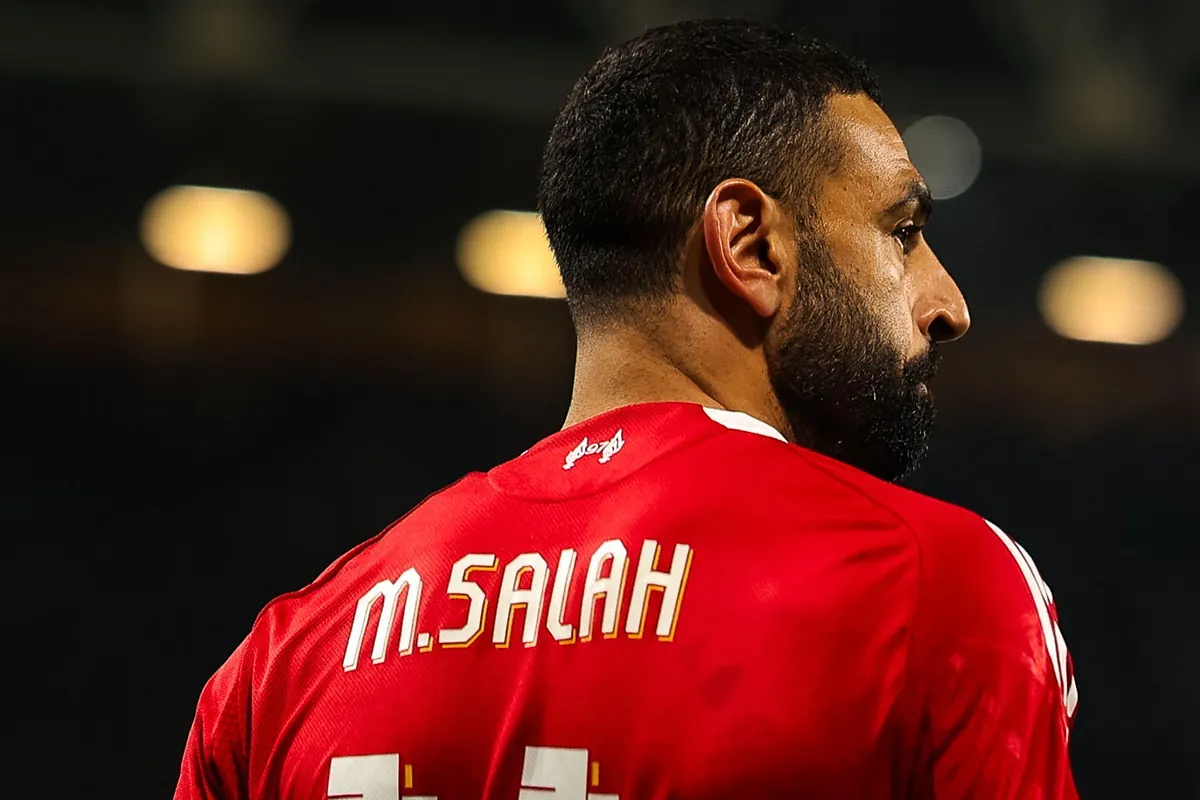
Mohamed Salah is expected to end his legendary spell at Liverpool FC at the end of the 2025-26 season, leaving the club with one of the toughest challenges in world football: replacing a generation of talent.
Salah’s impact at Anfield goes far beyond goals and assists. He has been at the heart of Liverpool’s attack for many years, combining elite productivity with durability and consistency. The unlikely possibility of finding a direct replacement means the club’s recruitment strategy is likely to focus on rebuilding the attack rather than replicating it with a single player.
Mohamed Salah’s emotional farewell from Liverpool gives fans chills
One possible route is to target a dynamic, high-upside winger who can develop into a role. Players like Bukayo Saka and Rodrygo are the epitome of modern wide forwards who can contribute as both scorers and creators. It’s always complicated to lure an established star away from a top club, but Liverpool could prioritize players nearing their prime who can develop into long-term lynchpins.
Reds may look for a more direct goalscorer
Another option could be to add a more direct goalscorer to the side, someone with a profile closer to Salah’s production. Hviča Kvaratschelia has emerged as one of Europe’s most dangerous attacking players, able to dominate matches with his dribbling and finishing. Similarly, Jamal Musiala also shows versatility and creativity, but his role is more fluid and may require tactical adjustments.
Liverpool could also look inward. The club has already invested in attacking depth and Salah’s departure could pave the way for young players to take on wider roles. Rather than signing a replacement with a comparable player, the coaching staff may choose to redistribute responsibilities among multiple attackers to create a more balanced offensive structure.
There are also financial and strategic aspects. Replacing a player of Salah’s caliber often requires significant investment, but Liverpool’s recruitment model has historically focused more on value and long-term planning than headline deals. This approach suggests the club may trust its development system to develop the next generation and target emerging talent rather than established superstars.
end of cycle
Beyond tactics and transfers, there is also an emotional aspect. Salah was one of the defining players of his era, helping Liverpool win major trophies and becoming a global icon. His departure marks the end of a cycle, and those who follow will surely be compared to him.
Liverpool’s challenge is therefore not simply to find a replacement, but to build the next version of their attack. The club’s next move will shape the trajectory of the post-Salah era, whether through signings, internal development, or a combination of both.
