

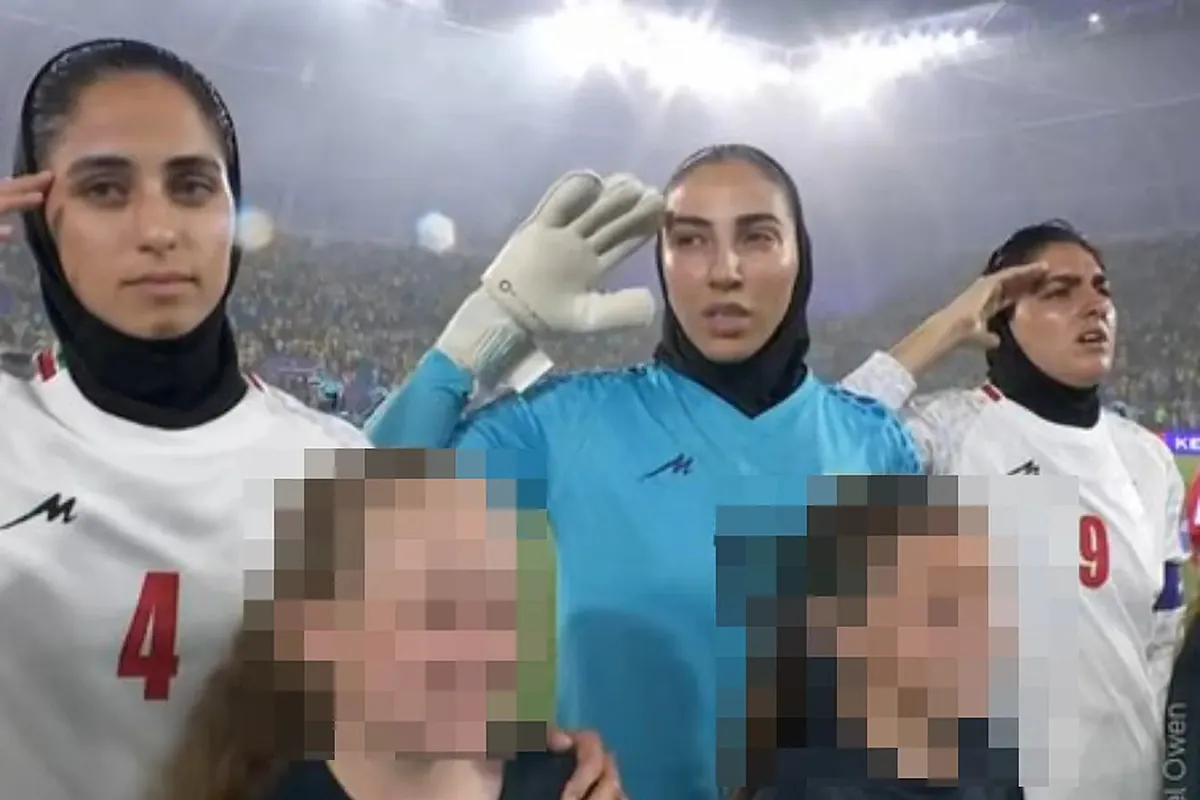
SAll members of the Iranian women’s national football team have reversed their decision to remain in Australia and instead chosen to return home, despite previous attempts to seek protection overseas.
The players were in Australia to take part in the AFC Women’s Asian Cup, but their trip quickly attracted international attention after many players refused to sing the Iranian national anthem before the match. The gesture was widely interpreted as a silent protest and prompted criticism from Iranian state media, which reportedly branded the players as disloyal.
Several members of the team initially approached Australian authorities seeking asylum, fearing repercussions upon returning to Iran. The situation quickly became an international political issue, with Australia considering humanitarian options for the players while monitoring safety concerns raised by them.
Initially, seven members of the squad, including players and staff, indicated they wanted to remain in Australia rather than return home with the rest of the team. Australian authorities began assessing their cases and providing assistance, explaining their legal options.
Athletes reverse course and prepare to return home
However, since then the number of players staying in Australia has decreased significantly. Australian Home Affairs Minister Tony Burke confirmed that three players who had initially expressed a desire to remain in Australia had changed their minds and decided to return to Iran.
Burke said the decision was made after the players informed officials of their desire to join their teammates. He said Australian authorities made sure the players were fully aware of their options and gave them several opportunities to discuss their choices before confirming the final decision.
The three players will travel to Kuala Lumpur, Malaysia, where they will join up with other members of the Iranian team before returning to Iran.
Iran’s Sports Ministry welcomed the news, describing the players’ decision as an expression of their loyalty to their homeland. Officials praised what they called the “national spirit” of the players, but accused foreign governments and media outlets of trying to influence the situation.
The change of heart follows a similar case earlier in the week, when another player who had originally requested asylum reportedly contacted the Iranian embassy to request assistance returning home.
These developments mean only three of the seven people who originally sought asylum remain in Australia.
Human rights activists say the episode reflects the difficult conditions many Iranian athletes face in international competition. While global tournaments provide an opportunity to showcase talent on a world stage, they can also subject athletes to intense scrutiny and political pressure.
The remaining players remaining in Australia continue to consider their options for now, while the broader situation continues to be closely monitored by officials and observers around the world.
