

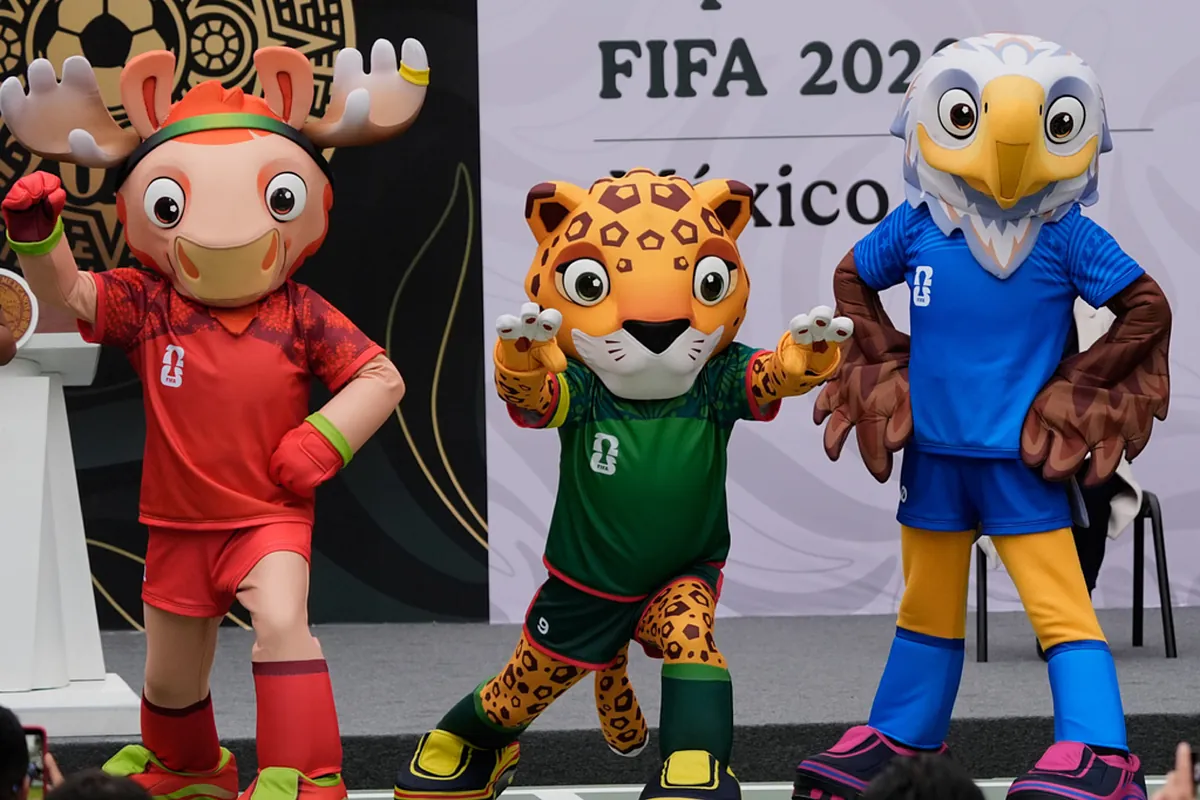
THis 2026 FIFA World Cup edition is full of changes. For one, for the first time, the tournament included 48 teams and 104 games, making it one of the largest tournaments ever.
This is also the first time that Canada, the United States, and Mexico have won the hosting rights. This joint organization raises the big question of how the host nation fared at the World Cup. I’ll tell you.
History of the World Cup host country
From preparing the stadiums for the matches to welcoming thousands of fans, every country hosting this tournament has a huge responsibility. But the job also comes with a common excitement for the people who live there.
Feeling like the “master of the house” provides a sense of security, but the benefits of home do not necessarily equate to success. According to Sporting News, the balance is not as positive as one might think, given that of the 22 World Cups, only six host nations have won on their own soil.
Only Uruguay in 1930 (first edition), Italy in 1934, England in 1966, West Germany in 1974, Argentina in 1978 and France in 1998 were able to celebrate the new Cup with their people.
The adage, “No man is a prophet in his own country,” becomes even more meaningful when we look at the path followed by the countries hosting this tournament. It’s been 27 years since they lifted the coveted trophy for their country.
South Africa (2010) and Qatar (2022) were the unluckiest hosts in World Cup history. Both teams were eliminated in the first round, but South Africa drew 1-1 with Mexico and won 2-1 against France, while Qatar lost all three games (against Ecuador, Senegal and the Netherlands) and finished in last place.
Japan in 2002 and the United States in 1994 followed suit and successfully made it through the first round, but their World Cup dreams were dashed in the last 16. France in 1986, Switzerland in 1994, Mexico in 2010 and Russia in 2018 had better luck and reached the quarterfinals.
Some teams made it to the semifinals and third-place match, including Chile in 1962, Italy in 1990, and Germany in 2006, but South Korea in 2002 and Brazil in 2014 finished in fourth place. Brazil (1950) and Sweden (1958) made it to the long-awaited final, but were runners-up.
Only time will tell how this tournament will play out in Canada, Mexico, and the United States.
List of host countries and their results:
1930: Uruguay advances to the final – champions 1934: Italy advances to the finals – champions 1938: France advances to the quarter-finals – 8th 1950: Brazil advances to the finals – 2nd 1954: Switzerland advances to the quarter-finals – 5th 1958: Sweden advances to the finals – 2nd 1962: Chile advances to the semi-finals – 3rd 1966: England advance to finals – 6th place 1970: Mexico advance to quarter finals – 6th place 1974: West Germany advance to finals – 1st place 1978: Argentina advance to finals – 1st place 1982: Spain advance to second round – 12th place 1986: Mexico advance to quarter finals – 6th place 1990: Italy advance to semi finals – 3rd place 1994: USA advance to Round of 16 – 14th place 1998: France advances to the final – Winner 2002: South Korea advances to the semi-finals – 4th 2002: Japan advances to the last 16 – 9th 2006: Germany advances to the semi-finals – 3rd 2010: South Africa is eliminated in the group stage – 20th 2014: Brazil advances to the semi-finals – 4th 2018: Russia advances to the quarter-finals – 8th 2022: Qatar eliminated in group stage – 32nd place
