

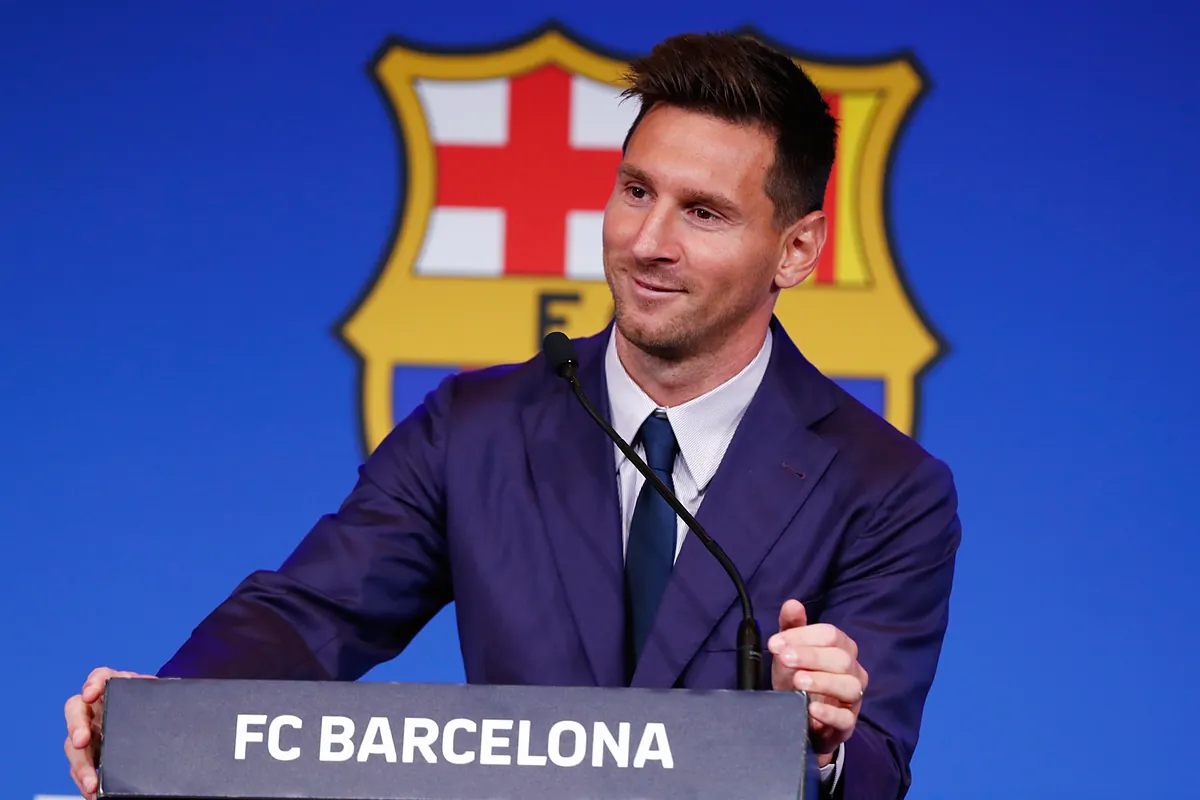
Lionel Messi has reignited speculation that he could make a brief return to Barcelona after his impressive visit to the renovated Camp Nou, but there is a real mechanism to make that happen.
A specific provision in MLS, commonly referred to as the “Beckham Clause,” allows players under contract with American clubs to take out short-term loans to overseas teams during the league’s offseason, as long as they return before the start of the new season.
Messi celebrates couple’s romantic evening in Barcelona
Messi remains linked to Inter Miami until the 2028 season after signing a new contract, meaning a temporary move is possible if all parties agree.
In the wake of his visit to the stadium, Messi shared a message that resonates deeply with Barcelona supporters.
“Last night I returned to a place that I am so fond of, a place where I was so happy, a place where you made me feel a thousand times more like the happiest person in the world,” the Argentine said.
“Hopefully, one day I can come back and not just say goodbye as a player.”
This sentiment captured the magnitude of the nostalgia for the possibility of a short reunion, and why even a loan of just a few months can mean so much to both the club and the player.
How the Beckham Clause makes loans possible
Under this off-season route, a player like Messi could be loaned from Inter Miami to an active club in Europe during the winter period, provided the registration period is respected and the player returns promptly before the start of the next MLS campaign.
From a practical point of view, Barcelona could negotiate a deal that would bring Messi back from early December to February, in line with the European calendar, while maintaining his contractual relationship with Inter Miami.
The rule’s nickname goes back to its impact on David Beckham’s winter move from Los Angeles Galaxy to Paris Saint-Germain during the North American offseason, and is a high-profile example of how MLS players can continue to operate overseas between seasons.
Other high-profile precedents include short winter stints for star players such as Thierry Henry, Robbie Keene and Landon Donovan, confirming that these loans are not theoretical – they have been used by elite players to maintain fitness when the American season was paused.
For Messi, the path is simple on paper. Important steps include an agreement between Inter Miami and Barcelona, compliance with the relevant registration period and the loan period ending before the start of the new MLS season.
Barcelona’s charm remains
The appeal of Barcelona is clear. Even a short reunion will have a huge impact both sportingly and emotionally.
For Inter Miami, a carefully arranged loan could allow them to keep their star player without breaking ties, provided the timing and fitness management are clear from the start.
Importantly, this regulation is based on calendar compatibility. With MLS on hiatus for the winter and the Europa League continuing, clubs like Barcelona can integrate short-term loan players.
The proposed period during which Messi could theoretically play (December to February) reflects a narrow and well-defined period. Outside of that period, his obligation to return to Inter Miami takes precedence, with the contractual balance supporting all such off-season loans maintained.
Barcelona and Inter Miami will need to ensure that Messi’s workload is managed in parallel with Inter Miami’s preseason plans.
But the existence of this clause means that this conversation is not just romantic, but structurally possible. And with Messi’s words about a place so nostalgic, the notion of a brief return carries more weight than symbolism.
