

NORTON, Zimbabwe (AP) – Lesotho’s Lishoeshoe Soccer Club was losing by four goals at halftime to South Africa’s Mamelodi Sundowns in the final of the U-17 women’s regional tournament for promotion in Zimbabwe. cervical cancer vaccination. By full time, the lead had increased to 5-0.
But for Lishoeshoe winger Nteboheren Leticia Xuan, the result felt beside the point.
For the 16-year-old, the tournament’s most important result had little to do with goalmouth scuffles or final whistle disappointment. Instead, it was about building confidence in the girls that they could be trusted HPV vaccine and prevent diseases that kill women. Every 2 minutes around the world — Africa’s worst burdened country, according to GAVI vaccine allianceOne of the tournament organizers.
“It was great to be part of the tournament because even if I didn’t win in the final, I had to learn and (spread the message), so it was a good experience,” Suean said as she waited to receive her finalists’ medals at a rain-soaked Norton stadium on the outskirts of Zimbabwe’s capital, Harare.
Soon was one of around 200 female players from six countries taking part in the CAF Under-17 Women’s Tournament in December, organized by African football’s governing body CAF in collaboration with European football body GAVI and the ministries of health of several African countries.
The initiative, dubbed the Goal Getters Campaign, was first introduced in Tanzania and Eswatini early last year; Zimbabwe In December, we used soccer to build awareness and trust in the HPV vaccine.
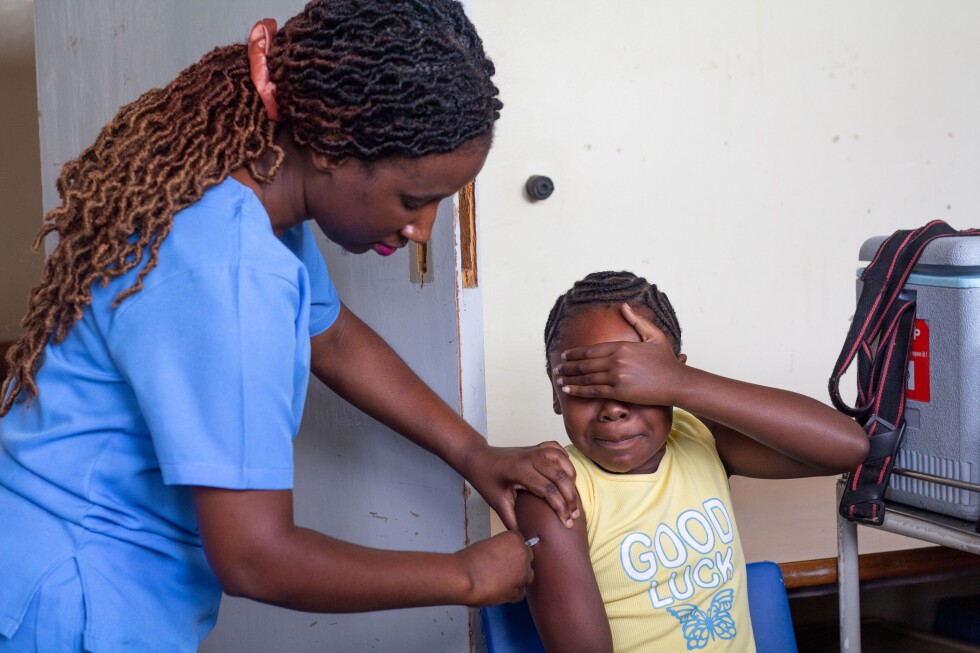
According to GAVI, the free HPV vaccine, which is given to girls between the ages of 9 and 14, can prevent up to 90% of cervical cancer, saving families thousands of dollars in subsequent treatment costs if the girl is not vaccinated.
A campaign that combines sports and health
After setbacks caused by COVID-19 lockdowns and an uneven national vaccination programme. HPV vaccination is being stepped up in Africa In recent years. According to the government and GAVI, the vaccination rate for at least one dose of the HPV vaccine will rise to 40% in 2023 from 28% the previous year, ranking second only to North, Central and South America. World Health Organization.
GAVI spokesperson Olly Can said the women’s soccer tournament was an important part of that effort.
“One of the great things about the Goal Getters campaign is that it brings together two things that teenage girls are passionate about: sports and health,” said Cann. “It creates a really safe space where girls can feel trusted, safe, and empowered.”
A campaign combining dancing and singing was launched before the eight-team tournament began. Meanwhile, mothers visited nearby clinics, some lured by the chance to see famous women’s soccer players, while simultaneously getting their children vaccinated against HPV.
HPV (human papillomavirus) is a common sexually transmitted virus and the leading cause of cervical cancer. Most infections clear up on their own, but some persist and can cause cancer years later.
According to the WHO, cervical cancer is the fourth most common cancer among women worldwide, killing approximately 350,000 women each year. Can said Africa accounts for almost a quarter of the world’s deaths, and 19 of the 20 most affected countries are in sub-Saharan Africa.
Zimbabwe is one of the five most burdened countries on the African continent. According to the National Cancer Registry, cervical cancer is the most common cancer among women in this country of 15 million people, killing about 2,000 women each year.
Ahead of the women’s tournament, Zimbabwe Single-dose HPV vaccineofficials hope the shift will increase uptake following a two-dose regimen rolled out nationwide in 2018.
“There are a lot of misunderstandings.”
Misinformation and stigma surrounding reproductive health remain major obstacles. On a recent weekend in January, two 10-year-old girls were the only people who came to get vaccinated at Budiriro General Hospital, located in one of Harare’s most populated areas. Health officials say this pattern is common, and most HPV vaccinations will be administered through schools.
“Many families don’t bring their children to the clinic to get vaccinated,” said Barbara Mashonga, a nurse in charge of community outreach at the clinic. “Even if we follow up at school, some people refuse. The biggest challenge is religious beliefs.”
“Some parents think the injections are a secret family planning method that prevents them from having children,” she says. “Health education is a major part of the campaign because there are a lot of misconceptions.”
Officials say soccer-based initiatives can help fill that gap.
“We actively use these opportunities to help improve communities through football,” said Zimbabwe Football Association president Nqobile Magwizi, as the tournament’s champions, Mamelodi Sundowns, celebrated.
For Soon, the message went beyond the final score.
“Cancer is a big disease and every child should be vaccinated to prevent it,” she says. “So we all came here to learn about it to protect our health.”
___
Learn more about Africa and development below. https://apnews.com/hub/africa-pulse
The Associated Press receives funding from the Gates Foundation for global health and development coverage in Africa. AP is solely responsible for all content. Find AP standard Please see below for our philanthropic efforts, list of supporters and areas funded. AP.org.
