

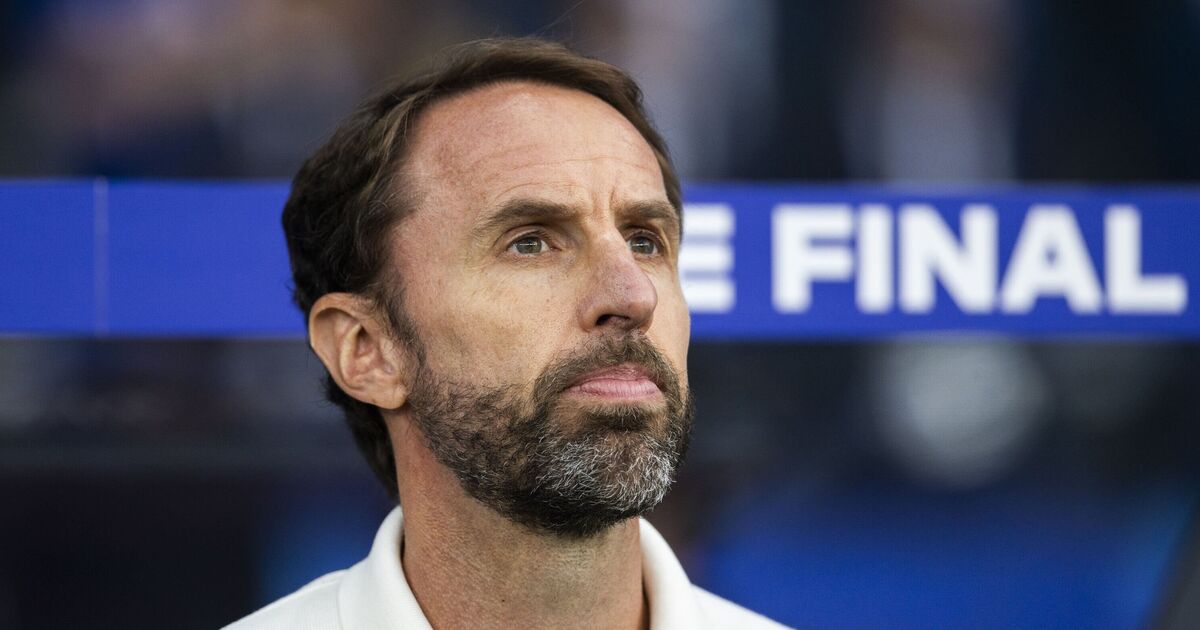

Gareth Southgate shared his thoughts in a lengthy post on LinkedIn (Image: Getty)
Gareth Southgate says he has no problem with directors of football encroaching on a manager’s authority following the sacking of Manchester United’s Ruben Amorim. The former England manager identified the root cause of Amorim’s downfall as a clash with the club’s hierarchy. United’s director of football, Jason Wilcox, who previously played with Southgate for England, ultimately won the dispute.
Discussing the difference between manager and head coach, Southgate, who was previously linked with a move to United, revealed that when he was offered the position he requested that his title be changed from head coach to manager. He now describes himself as “a leader, then a manager, then a coach.”
A wide-ranging article on LinkedIn entitled ‘Manager vs. Head Coach’, which Southgate characterized as ‘a reflection on the importance of the title manager rather than head coach’, states: ‘In the last two weeks, three of Europe’s biggest football clubs – Real Madrid, Manchester United and Chelsea – have parted ways with their head coaches. Of the three, Enzo Maresca’s tenure was the longest at 18 months.’
“Each coach resigned for multiple reasons in slightly different circumstances, but ultimately power struggles with club executives (Amorim), club employees (Maresca) and players (Alonso) were the root cause of the end of their respective tenures.
“The erosion of managerial authority has been gradual for many years, accelerated by the widespread introduction of football, technical and sporting directors, who now oversee long-term football strategy, report directly to the CEO and/or owners, and sit structurally above the head coach. Personally, I see nothing wrong with this evolution.”
“Strategy, culture, planning and continuity are essential to the success of any organization and football clubs are no exception. Head coaches do not have the time or often the expertise to manage complex player contracts, oversee global scouting networks or perform sophisticated data operations.
“Similarly, it makes little sense to dismantle medical and sports science departments every time a head coach changes.
“But in a classic example of Parkinson’s Law (time saved by reducing responsibilities is quickly taken up by other things), modern head coaches now find themselves managing larger teams, larger backroom teams, far greater analytical demands, and ever-increasing media and commercial obligations.”
Southgate’s comments about his backroom team come days after news that former England assistant manager Steve Holland will be supporting Michael Carrick at United until the end of the season.
The former Chelsea assistant is part of the coaching team alongside Craig Mawson, Jonathan Woodgate, Jonny Evans and Travis Binion.

Ruben Amorim was sacked by Manchester United earlier this month (Image: Getty)
Southgate’s statement added: “While some fans believe the role has become simpler (‘all you have to do is coach’), the opposite is actually true.
“Add to this the complexities of managing modern players, many of whom are effectively personal brands, the financial interests of clubs, and the relentless scrutiny of both traditional and social media, and the melting pot of issues and pressures grows. This is not helped by the subtle and sometimes unintentional shift in power and status implied by the transition from the title of manager to head coach.”
“Some may argue that ‘it’s just a title’, or that it’s just semantics. Speaking from personal experience, that’s not the case. When I was offered the role of head coach of the England team, I even insisted that the title be changed to manager.
“I consider myself calm, collaborative and confident, but I understand the importance of authority, influence and control when directing football operations.
“You may have noticed that my current titles on LinkedIn are in the following order: ‘Leader, Manager, Coach’. This is completely intentional. It reflects the hierarchy of skills that I believed was necessary to run the England team effectively.
“Leaders are active in the public sphere, engaging fans, setting a vision, shaping culture, and advocating for and protecting players and staff.
“Managers “manage” stakeholders, departments, and employees to maximize collaboration and keep plans on track. Oh, and let’s not forget the role of convincing 25 economically independent elite performers to prioritize collective purpose over ego.
“Finally, the coach sets the style of play on the pitch, prepares tactics to take advantage of the opponent, and develops the technical abilities of individual players.
“My belief is that we should embrace the modern version of traditional managers and recognize the people they lead, manage and coach. As I once said to an England boss, players are not just magnets on a tactical board that can be moved around. They are human beings and managing that reality is at the heart of leadership in modern football.”
Our community members may receive special offers, promotions, and advertising from us and our partners. You can check out at any time. Read our privacy policy
