

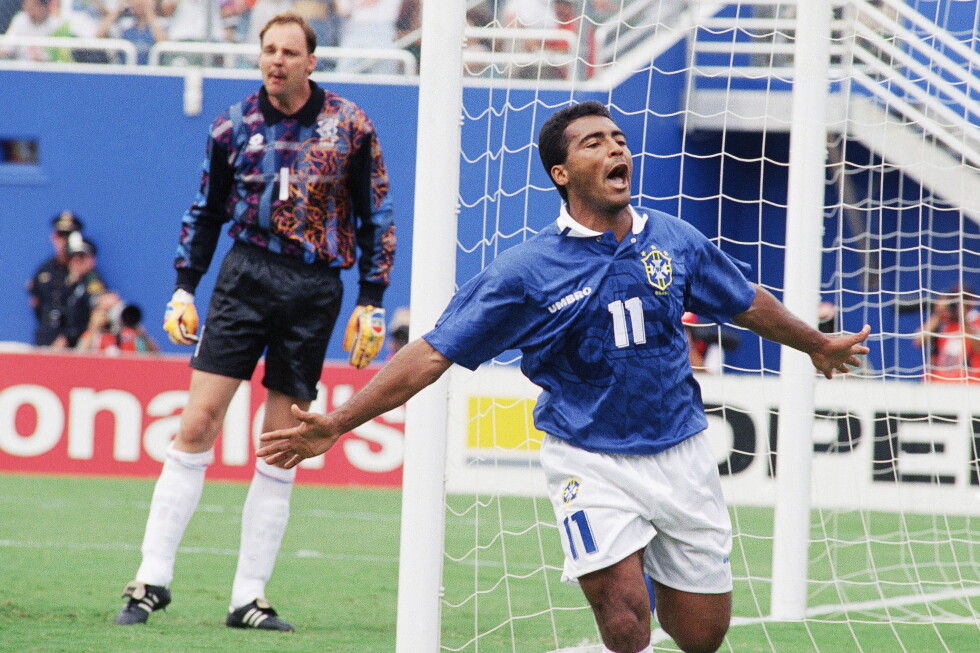
Let’s take a look at the differences between the 1994 World Cup, which was first held in the United States, and the 2026 tournament, which will be held in the United States, Mexico and Canada from June 11th until the final on July 19th.
Ticket price
1994: Ticket prices at the Rose Bowl in Pasadena, California ranged from $25 to $75 for first-round games ($40 to $120 for the opener) and $180 to $475 for the final game.
2026: When FIFA releases individual match tickets Prices in December ranged from $140 to $2,735 for first-round matches and $4,185 to $8,680 for final matches. This was the first World Cup to use so-called dynamic pricing, meaning prices reflect real or perceived demand. FIFA The maximum price for the final was raised to $10,990 In April.
tournament size
1994: This was the last 24-team World Cup. In 1998, the field was expanded to 32.
2026: This year, the tournament expands to 48 again with a new round of 32. The finalists will play eight matches, up from the previous seven.
field size
1993: At the time, FIFA specified a field width of 68 x 105 meters (74 x 115 yards), but stadium operators were allowed to ignore this and maintain a narrow pitch.
2026: This time the stadium has been modified to meet the standards.
attendance
1994: The tournament drew a record 3.59 million fans, with a 52-game average of 68,991.
2026: The number of matches will double this year, so attendance is likely to be between 6 million and 7 million.
geographical range
1994: The 1994 tournament was held at nine stadiums throughout the United States, with the opening game being played at Soldier Field in Chicago.
2026: This time, 16 stadiums Eleven are in use in the United States, three in Mexico, and two in Canada. All matches from the quarter-finals onwards will be played in the United States. Not in Chicago this time: the city was not interested, citing a lack of financial guarantees from FIFA.
How sweet
1994: The tournament used five NFL venues, including the since-demolished Giants Stadium, Foxboro Stadium, Pontiac Silverdome, and RFK Stadium.
2026: 11 US venues All NFL stadiums feature ample luxury suites and premium seating. Of the 1994 venues, Soldier Field remains, along with the Rose Bowl, Cotton Bowl, Citrus Bowl, and Stanford Stadium. None were used in this World Cup.
Water breaks
1994: The team played to the end in sometimes hot and humid weather.
2026: It’s hot and humid again, but this time with games. 3 minute break Coaches may use this as a quick strategy session.
substitute
1994: Teams are allowed two substitutes, a rule first introduced in the 1990 competition, and a new rule is introduced in which injured goalkeepers or keepers who receive a red card are allowed a third substitute. Since 1998, a third substitution has been allowed, and in 2018 it became a fourth substitution if the match goes to extra time.
2026: Starting in 2022, each team will be able to use five substitutes, with a sixth available in overtime, and one more to replace a concussed player at any time.
name game
Starting with the 1994 tournament, player names were added to the uniforms, which became a standard in the soccer world. Uniform numbers were mandatory for the 1950 World Cup, and fixed numbers that remained the same throughout the tournament began in 1954. Numbers on shorts have been mandatory since 1974, and numbers on the front of jerseys have been mandatory since 1994.
Who is in charge?
1994: Local organizing committees largely take charge of World Cup arrangements through 2022. The 1994 World Cup USA was directed by Alan Rosenberg, a California lawyer and former president of the United States Soccer Federation. Rothenberg traveled the country as the sport’s chief salesman.
2026: FIFA is running this year’s tournament, with its president Gianni Infantino courting US President Donald Trump and even FIFA Peace Prize To him.
___
AP World Cup coverage: https://apnews.com/hub/fifa-world-cup
