

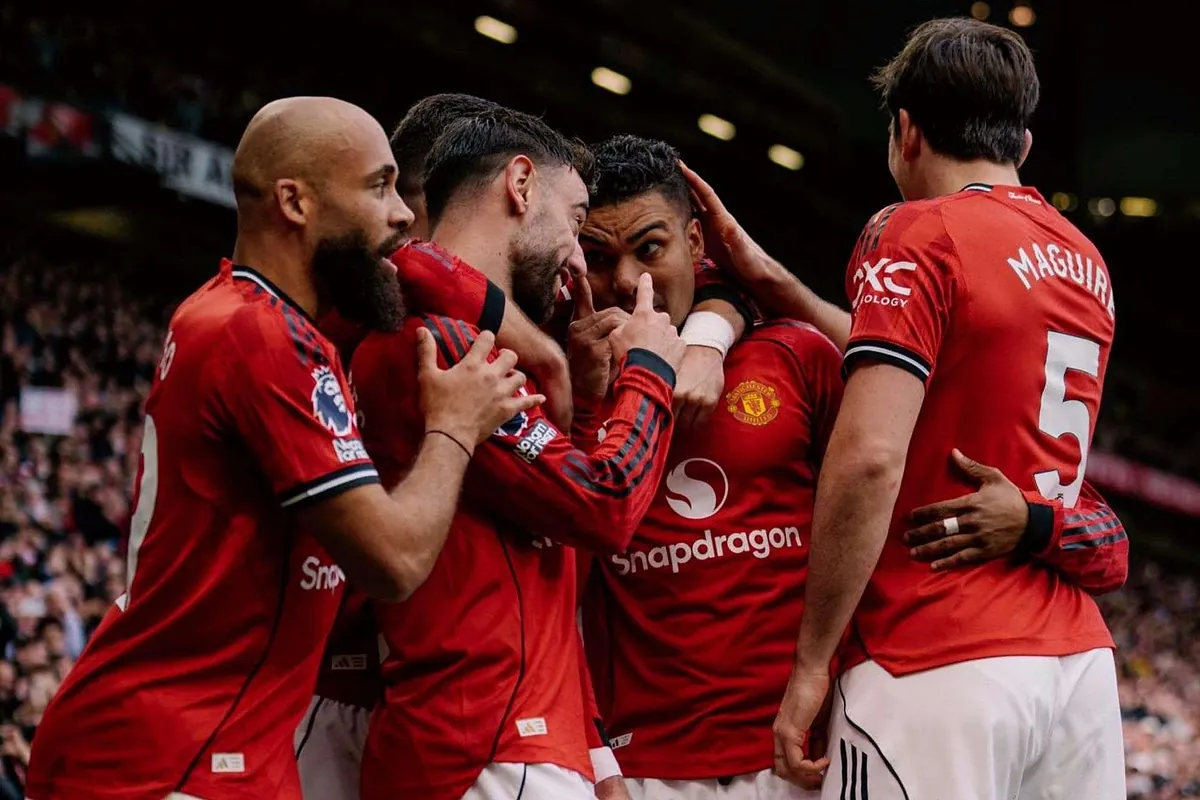
Manchester United have been searching for a return to consistent winning form for more than a decade. Despite changes in managers, big spending in the transfer market and signs of promise, the club has struggled to establish the stability that once characterized it.
The issue is no longer about individual setbacks, but about deeper, recurring issues that continue to hold the Red Devils back. It’s a problem Man U fans have had to grapple with over the past few years, but a solution still seems a long way off.
Mexican phenom Gilberto Mora returns to the field, thrilling fans
The main problem is the lack of structural continuity. Since the departure of Sir Alex Ferguson in 2013, United have gone through several managerial regimes, each bringing different philosophies, playing styles and player preferences. This constant turnover makes it difficult to build a coherent identity. Players signed for one system often find themselves adapting to another, ultimately making the team feel like a mix of ideas rather than a unified project.
lack of long-term vision
This instability is also impacting recruitment. United have spent millions on high-profile signings, but their approach has often lacked a clear long-term vision. Instead of building a balanced squad tailored to a particular style, clubs sometimes pursued signing marquee players without adequately addressing their positional needs and tactical fit.
The result is a roster that looks talented on paper but struggles to perform consistently on the field. Another key issue is the inconsistent performance, especially against both the top and bottom teams. United have proven they can compete in big matches, sometimes achieving impressive results against elite clubs.
However, these performances are often followed by unexpected losses or dropped points in favorable games. The inability to maintain high standards week in and week out prevents teams from consistently challenging for titles.
United fail often
Leadership on the field is also a factor. For years, the team lacked a consistent core that could set the tone in difficult moments. While we have had talent in the past, translating it into collective resilience has been difficult. Winning consistently in modern football requires not just skill, but discipline, responsibility and the ability to manage matches effectively, and United often fell short in these areas.
Tactical aspects cannot be ignored either. In a competitive league like the Premier League, the teams that succeed over time are those with a clear identity and well-developed systems. Rather than imposing a consistent approach, United adjusted game by game and often looked reactive rather than proactive. The lack of clarity makes it difficult to control matches and maintain momentum throughout the season.
Ultimately, the Red Devils’ struggles come down to a combination of instability, inconsistent planning, and an unclear football identity. Talent alone is not enough to overcome these problems. Until Manchester United establish a clear direction, from recruitment to tactics to leadership, the cycle of inconsistency is likely to continue.
